
Contents
The key points of this article
- The social and solidarity economy is a way of running a business, not just a status
For ZYRCLO, it is not a goal or a label, but the natural consequence of a company whose economics are put at the service of its area, of social usefulness and of cooperation.
- A company is also measured by its impact: 5 new indicators of success
Beyond turnover, ZYRCLO proposes measuring success by five questions:- How many resources preserved?
- How many partnerships created?
- How many local skills strengthened?
- How many activities that cannot be relocated developed?
- How many useful solutions brought about?
- ZYRCLO's purpose drives the project
ZYRCLO's mission is to make possible, in rural areas, economic activity that is viable, rooted in local needs and impossible to relocate, in the furniture and fittings trades. That purpose guides every decision the company makes.
What if how you run a business mattered as much as what you produce?
For a long time, a company's success was measured by its ability to produce more, to win new markets and to grow.
Those goals are still legitimate.
But faced with environmental, social and local challenges, another question becomes hard to avoid:
What is a company actually for?
Does it only create economic wealth?
Or can it also help strengthen an area, build cooperation, preserve resources and create activity that will still make sense in twenty or thirty years?
At ZYRCLO, that question came first.
It explains why we chose to develop within the framework of the social and solidarity economy.
Not because the label looks good.
But because it matches the way we think about what a company is.
A company born of a simple question
When the ZYRCLO project began, our first thought was not:
« Which pieces of furniture are we going to make? »
It was far more basic.
How do you create, in a rural area, economic activity that is useful, lasting and deeply rooted where it stands?
In other words:
How do you turn resources already present in an area into activity that creates value, jobs, skills and cooperation?
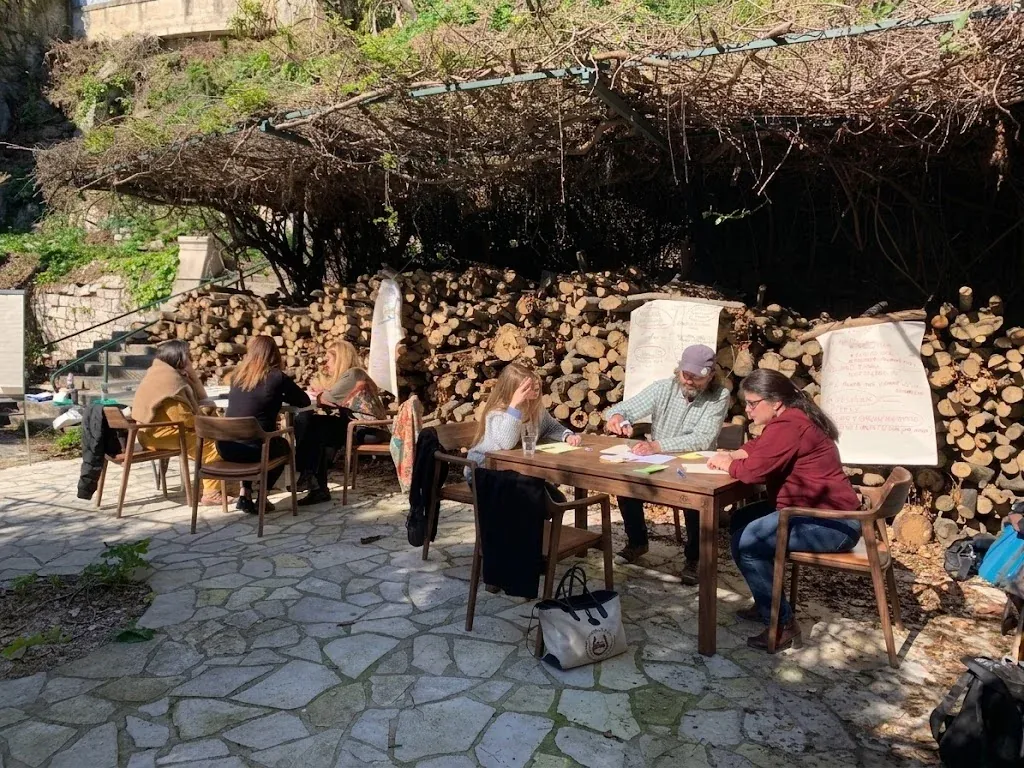
During a day given over to our purpose, held as part of our work on the functional and cooperative economy (EFC), we brought together several of our stakeholders, local authorities, partners, companies and people from the area, to think about the contribution ZYRCLO wants to make.
That collective work led us to put our purpose into words:
« ZYRCLO works to make possible, in rural areas, economic activity that is viable, rooted in local needs and impossible to relocate, in the furniture and fittings trades. To that end, ZYRCLO designs equipment made to last and extends the life of existing furniture through reuse, repair and transformation, so as to keep materials in use as long as possible, cut waste, and strengthen cooperation between local players. »
This purpose is not a slogan. It is our compass. It informs our strategic choices and guides every important decision we make.
The social and solidarity economy is not a goal. It is a consequence.
The social and solidarity economy is often presented as a set of legal rules and statuses.
That is true.
But it misses the point.
Above all, it rests on one conviction:
The economy is a means in the service of society, not an end in itself.
The French law of 31 July 2014 states that companies in the social and solidarity economy pursue an aim of social usefulness, adopt a suitable form of governance, and devote a significant share of their results to developing the collective project.
In other words, they set out to create value differently.
That definition fits the ZYRCLO project closely.
Our ambition is not only to make objects from recycled materials.
It is to create the conditions for economic activity that strengthens an area for the long term.
Rural is not a handicap
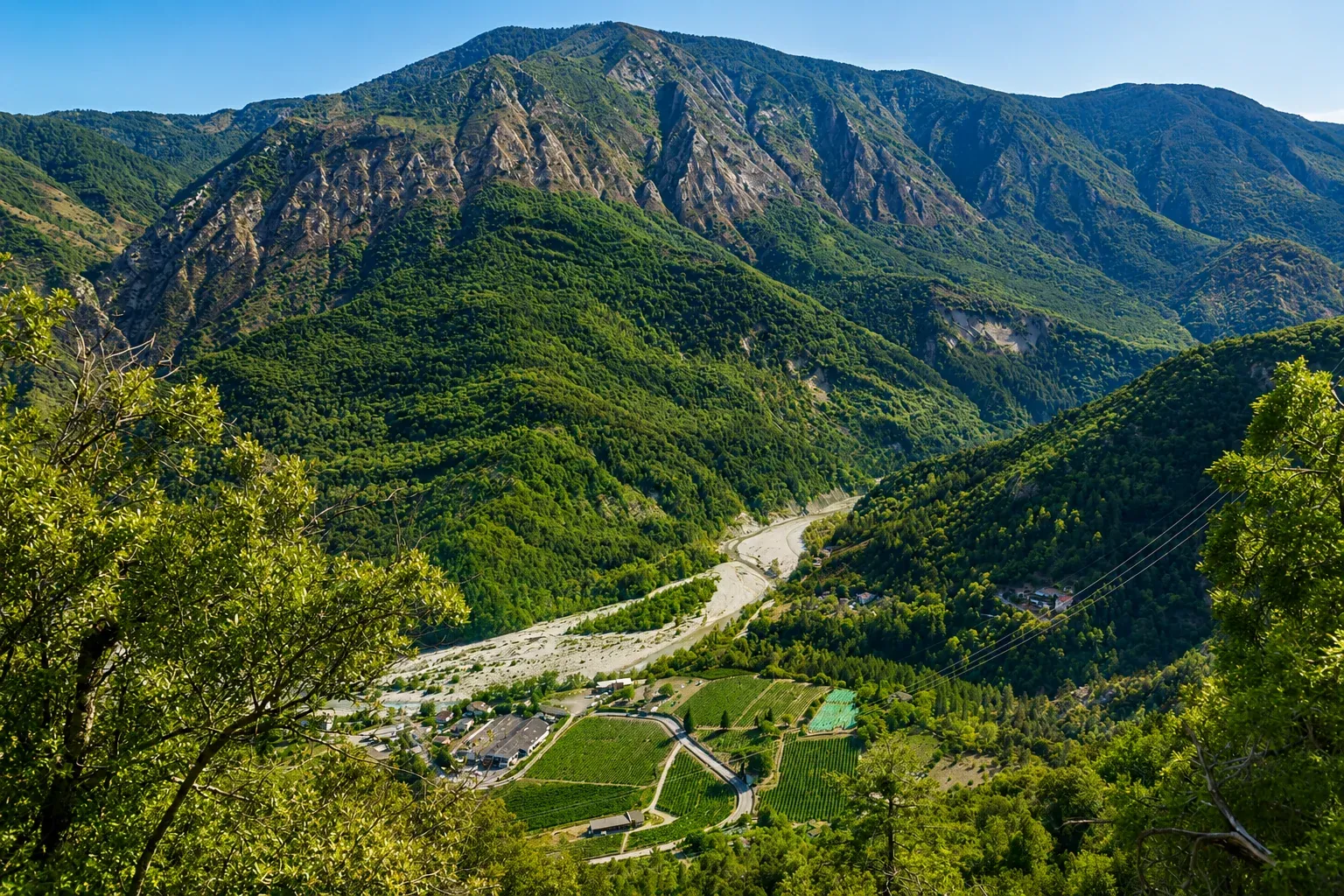
In many rural areas, the resources are there.
The wood is there.
The materials are there.
The skills are there.
The companies are there.
The local authorities are there.
What is sometimes missing are the links that would let those resources create more value together.
That is exactly where ZYRCLO wants to act.
In building a workshop devoted to reclaimed wood and local resources, we are not only trying to make furniture.
We want to create a place where materials, skills, ideas and needs can meet.
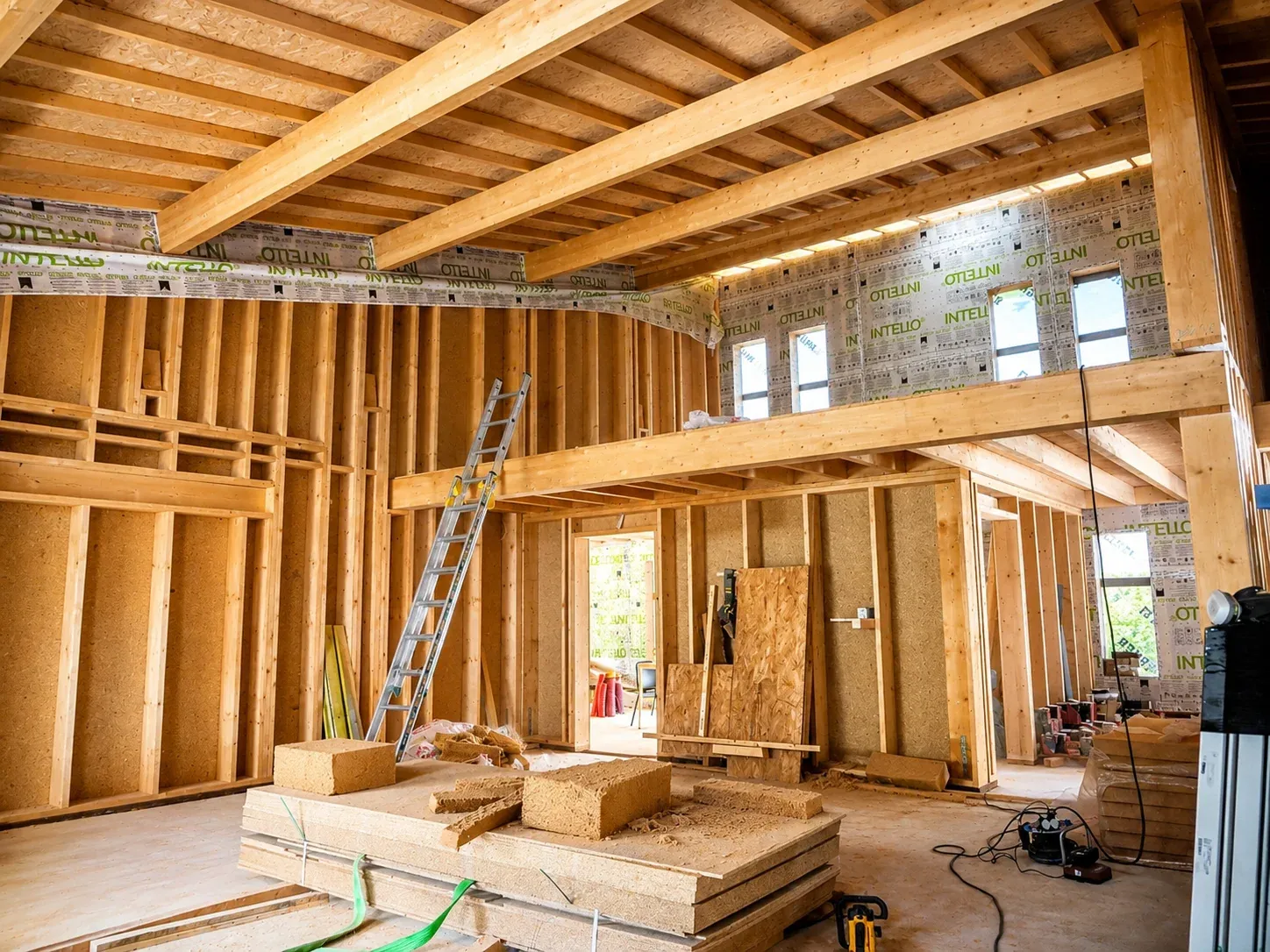
That vision is written into the design of our future workshop, conceived as a space for making, repairing, experimenting and working together in the service of local transitions.
Cooperate rather than replace
One of the most important things our EFC work taught us is that a company does not create more value by doing everything.
It creates more value when it finds its right place.
Before acting, you have to understand how things are used.
Observe.
Listen.
Identify the skills already there.
Spot what complements what.
Build answers with others rather than in their place.
That logic of cooperation is now one of the pillars of the ZYRCLO project.
Another way of measuring success
A company's success can of course be measured by its turnover.
But it can be measured otherwise too.
How many resources have we kept from being wasted?
How many partnerships have we brought into being?
How many local skills have we strengthened?
How many activities that cannot be relocated have we helped create?
How many genuinely useful solutions have we made possible?
These questions become as important as the traditional economic indicators.
Not because they replace them.
But because they give performance its meaning.
A company that builds an area as much as it builds objects
The choice of the social and solidarity economy now runs through every decision ZYRCLO makes.
It explains our commitment to the functional and cooperative economy.
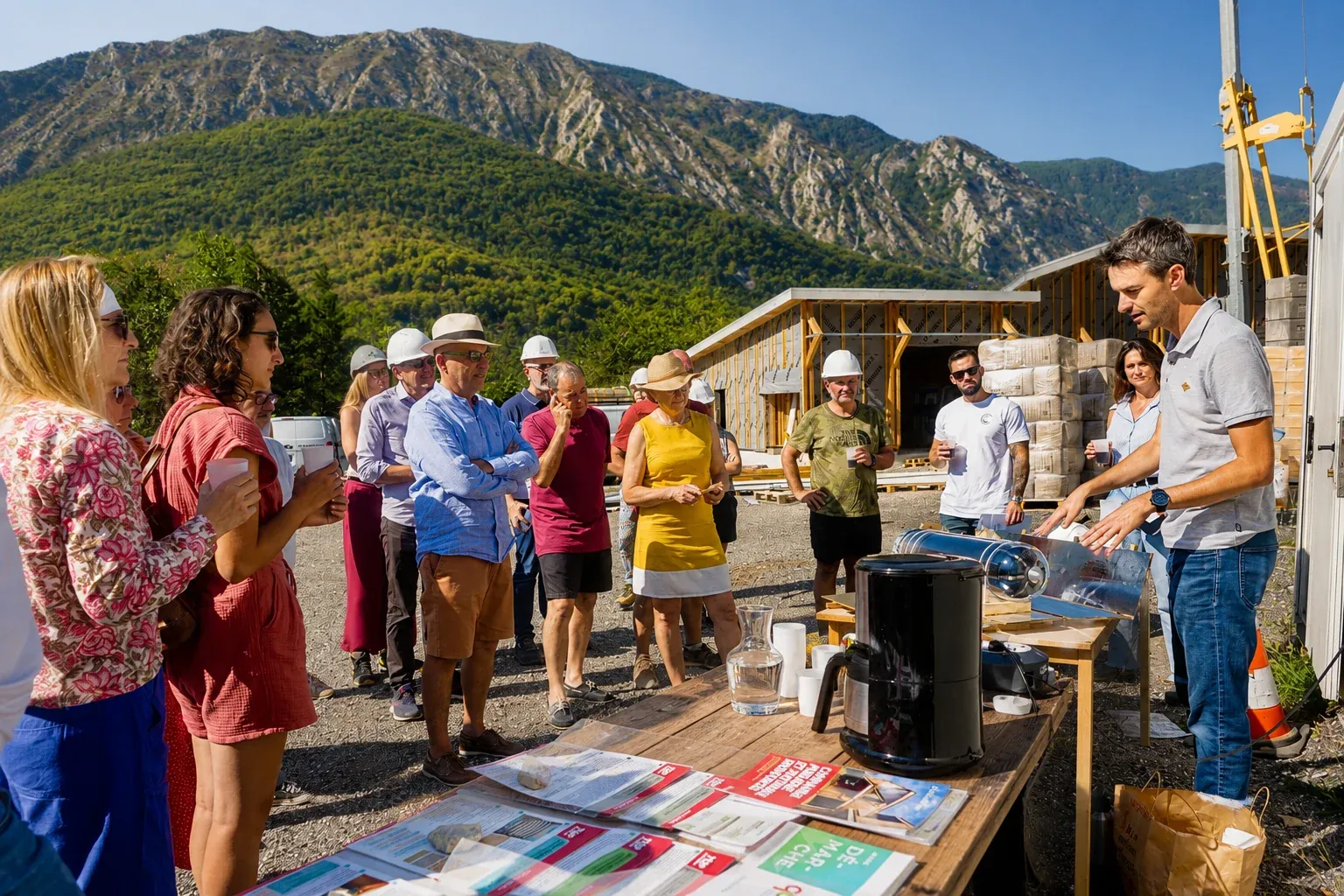
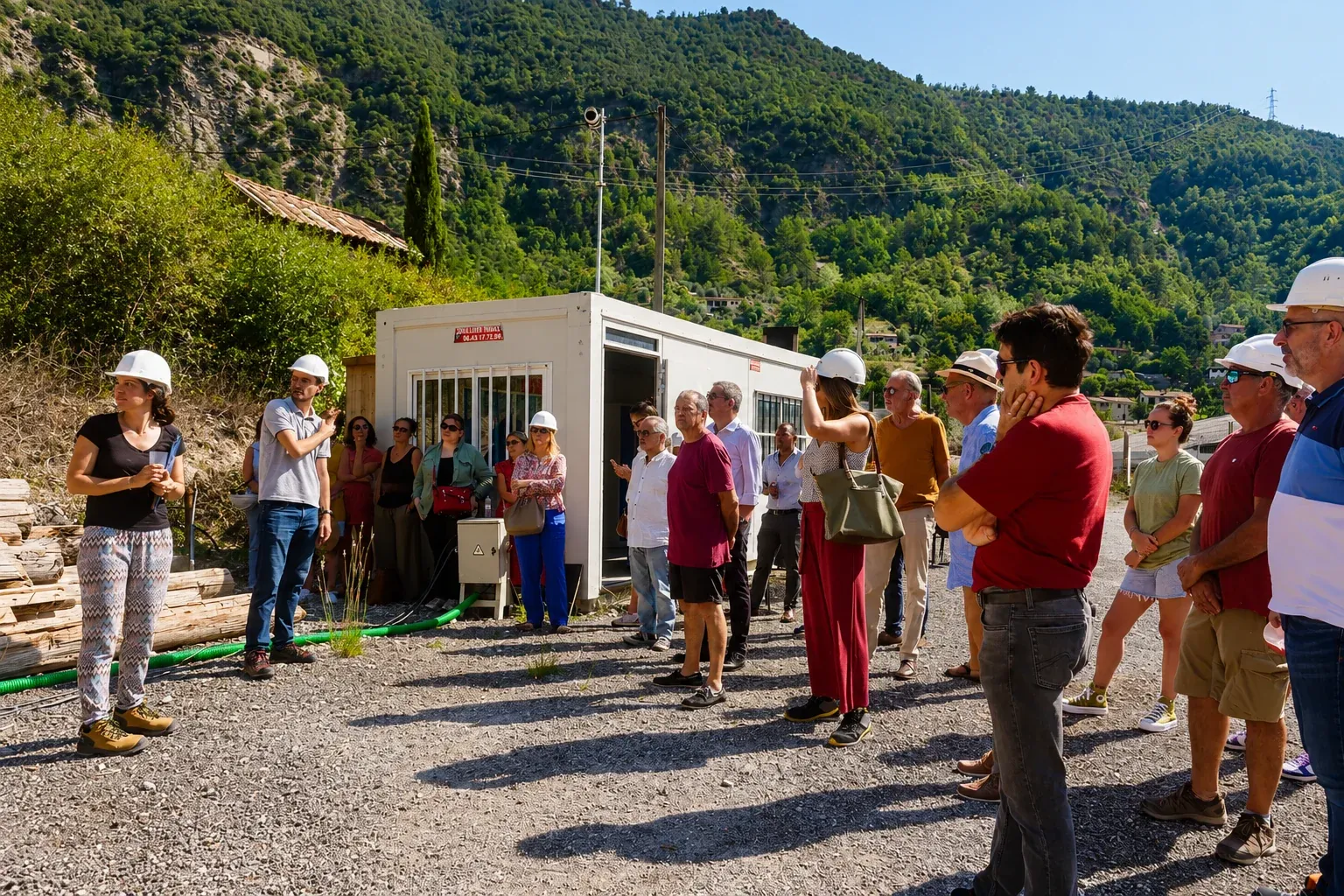
It also explains why our future workshop was designed under the Bâtiments Durables Méditerranéens scheme.
In each case, the same idea is at work:
Create more value for the area than for the company alone.
In closing
Being a social and solidarity economy company is not about belonging to a particular category.
It is about accepting that economic performance is only part of success.
It is about holding that local resources, cooperation, skills and people are an area's first form of wealth.
At ZYRCLO, we believe the ecological transition will only last if it also creates jobs, skills, connections and new ways of acting locally.
That conviction has guided our project from the start.