
Contents
The key points of this article
- BDM is a process, not just a label
BDM follows a project from design through to several years after handover, taking in the build and the period of use. The aim is to make sure the performance announced becomes a reality over time. - The ZYRCLO project was awarded Gold level
Gold level at the design stage. The distinction rewards the quality of the project, while being a reminder that it is not an end in itself: the building still has to prove itself during the build and in use. - Sustainability is not only about energy performance
For BDM, a sustainable building is one that is consistent with its area, comfortable, repairable, adaptable and a creator of local value. Quality is measured as much by usefulness and the ability to change as by technical performance.
Building a workshop... or building a vision?
When we imagined the ZYRCLO workshop in Villars-sur-Var, our ambition was not only to create a building to house a craft activity.
We wanted to build a place that could say what we are.
A place where reclaimed materials are prepared, where things are designed, made, repaired, transformed and tried out. A place open to its area, built to last, to adapt to how it is used, and to show that producing differently is possible.
One thing became clear very quickly: if our activity rests on the principles of the circular economy, our building had to embody them too.
That conviction led us to join the Bâtiments Durables Méditerranéens (BDM) scheme, the Mediterranean sustainable buildings programme.
BDM: much more than a label
The Bâtiments Durables Méditerranéens scheme is sometimes presented as an environmental label.
It is in fact a good deal more than that.
BDM is a design and support method that follows a project from its first sketches through to its use. It asks everyone involved, client, architect, engineering consultants, contractors and future occupants, to question their choices in order to build more frugally, more comfortably, and more in keeping with the local area.
It leads to simple but essential questions.
Does the building genuinely meet the needs?
How do we limit its environmental impact?
Which materials should we favour?
How do we keep occupants comfortable in summer as well as winter?
How do we build something that will still make sense in thirty or forty years?
What won us over is that the approach does not chase technical performance for its own sake. Above all, it seeks coherent buildings.
A scheme that chimes with ZYRCLO
From the beginning, ZYRCLO has held to a simple idea: the most sustainable resource is often the one that already exists.
Reuse rather than throw away.
Repair rather than replace.
Design to last rather than to be replaced.
Cooperate rather than work alone.
These principles go well beyond furniture and materials. They apply just as much to how you put up a building.
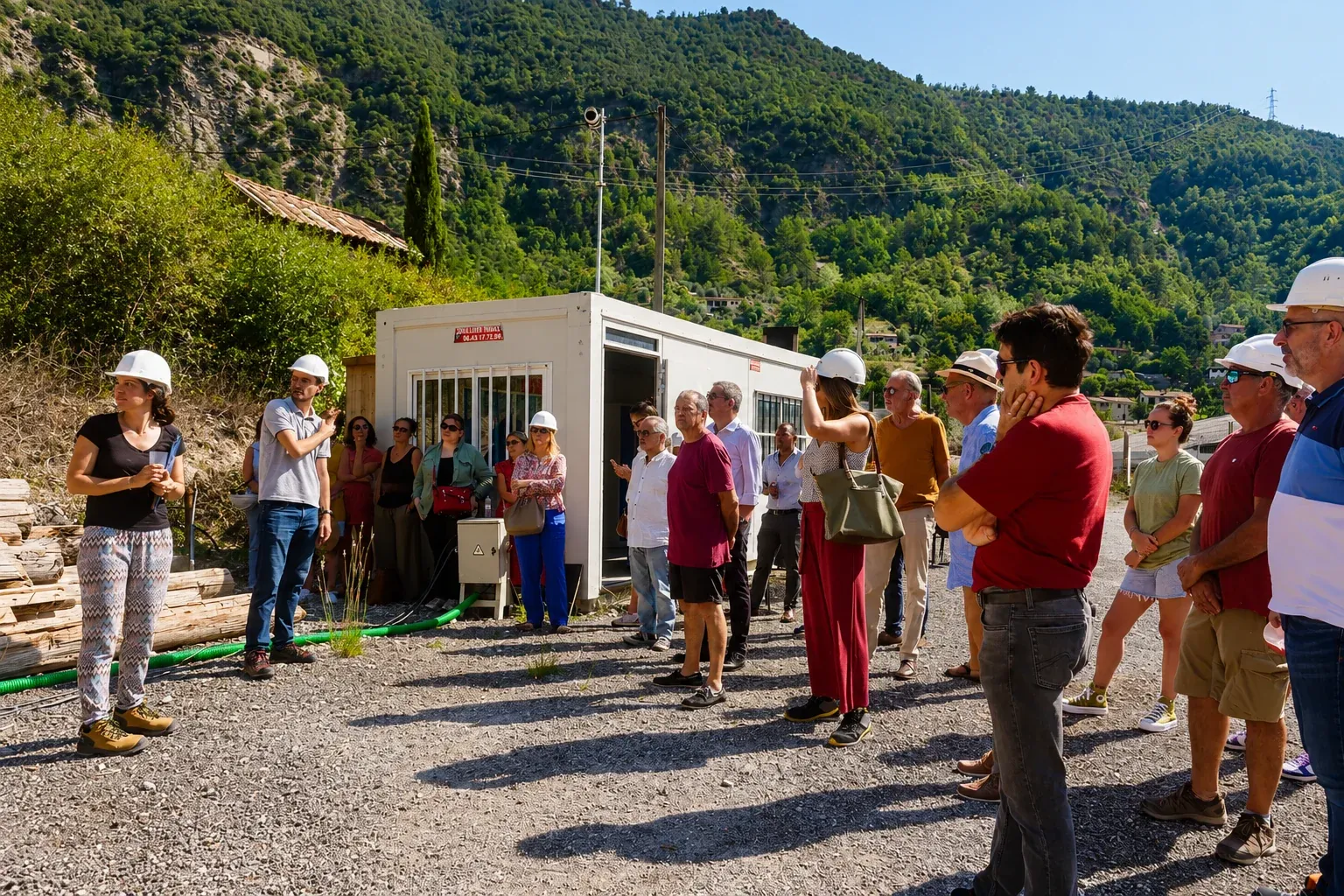
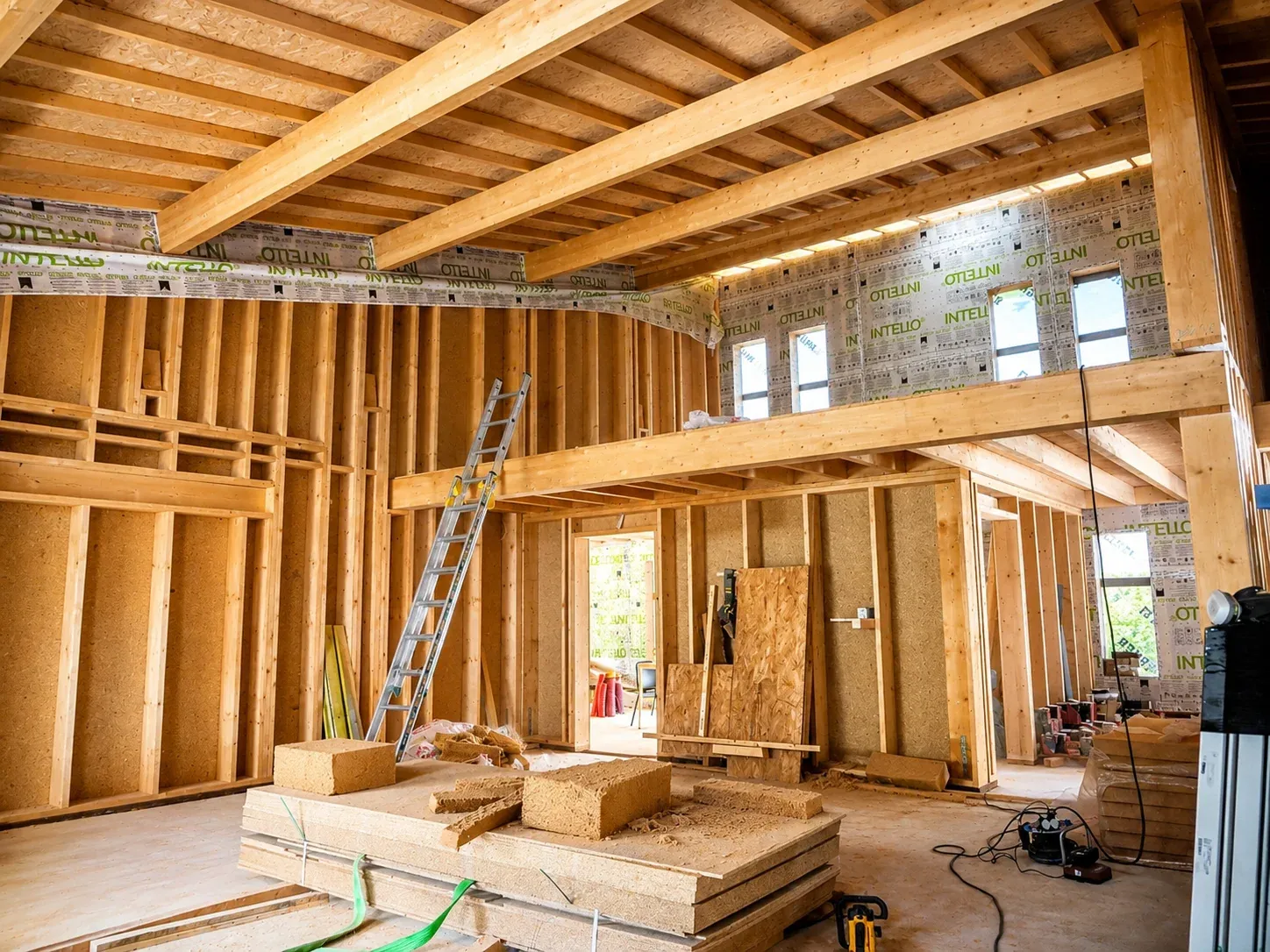
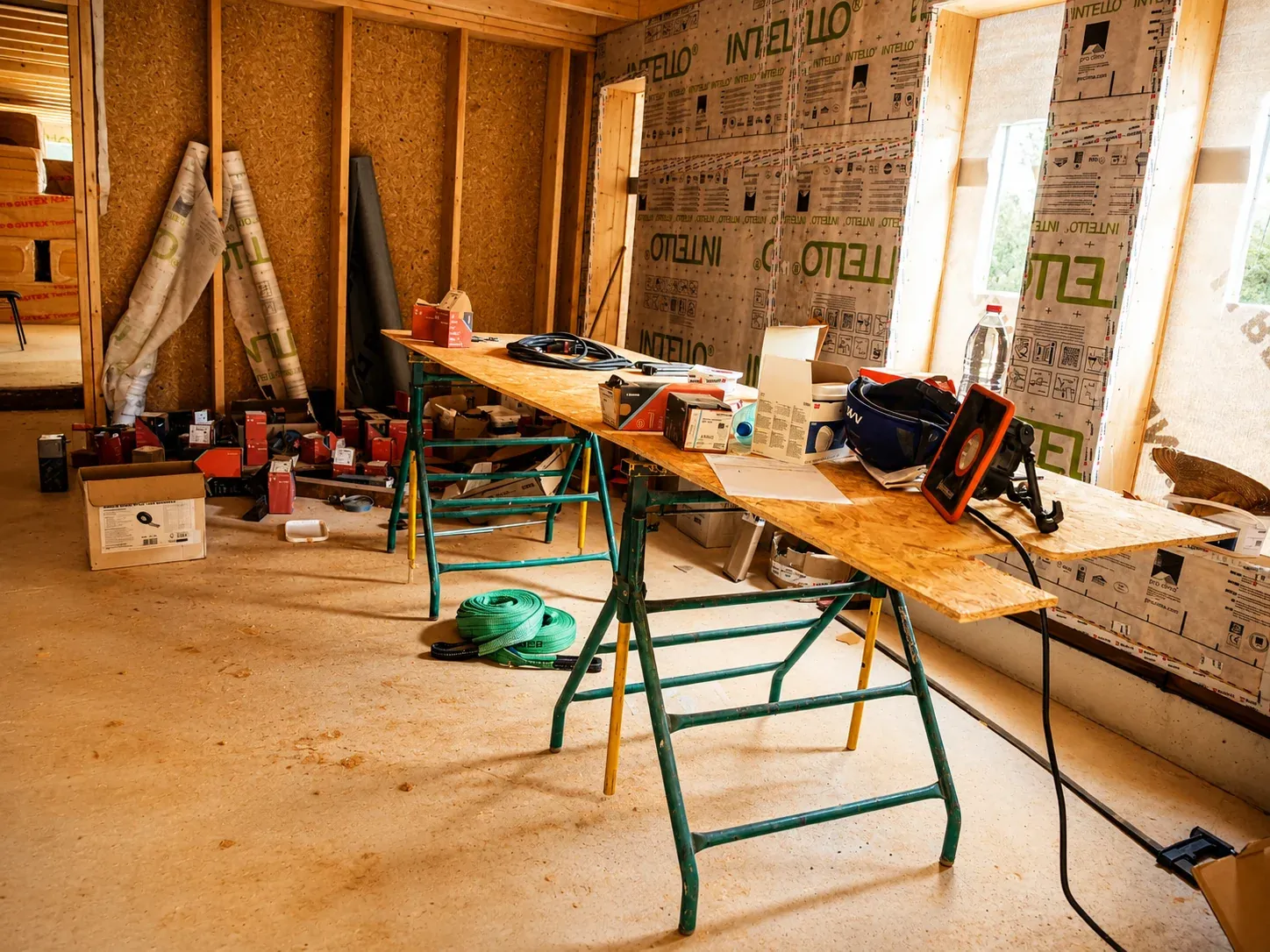
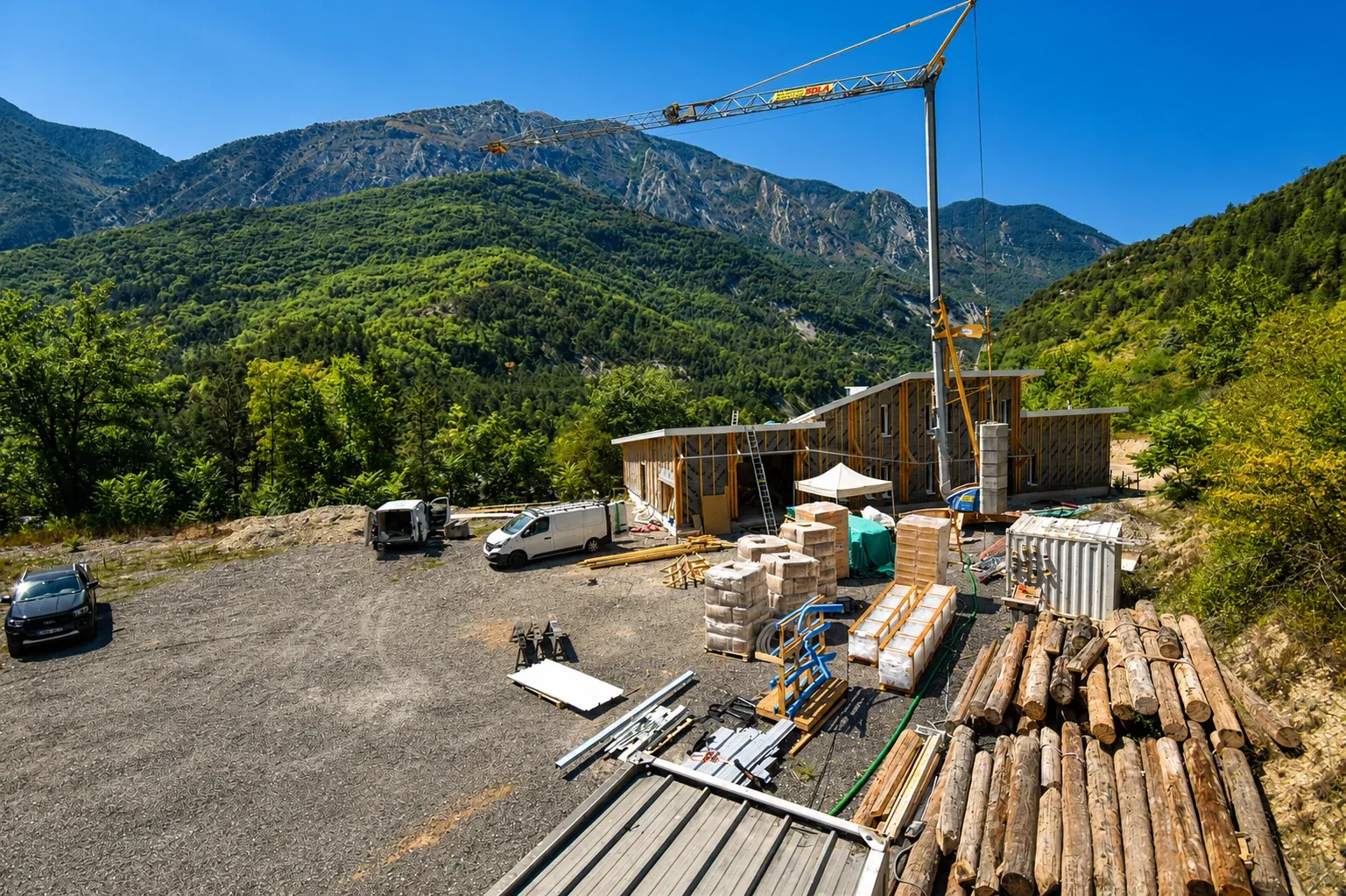
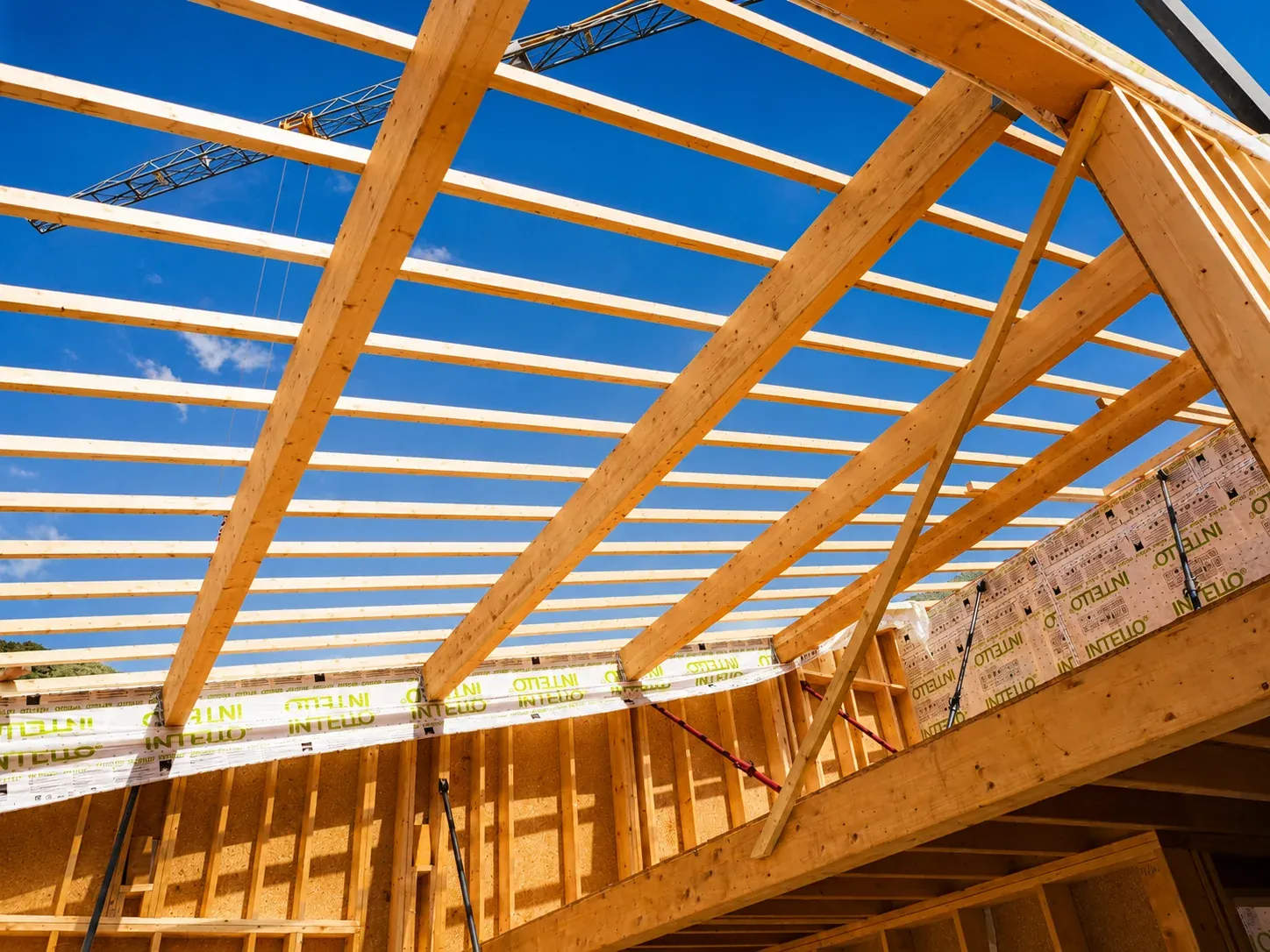
Our workshop stands on a former industrial brownfield site, taking over ground already built on rather than eating into open land. The project includes soil decontamination, replanting of the surfaces, a timber structure, bio-based wood-fibre insulation, and construction choices that favour frugality, repairability and quality of use.
The building thus becomes the first demonstration of the values ZYRCLO wants to spread.
A project made better by collective work
The quality of a building never rests on one person.
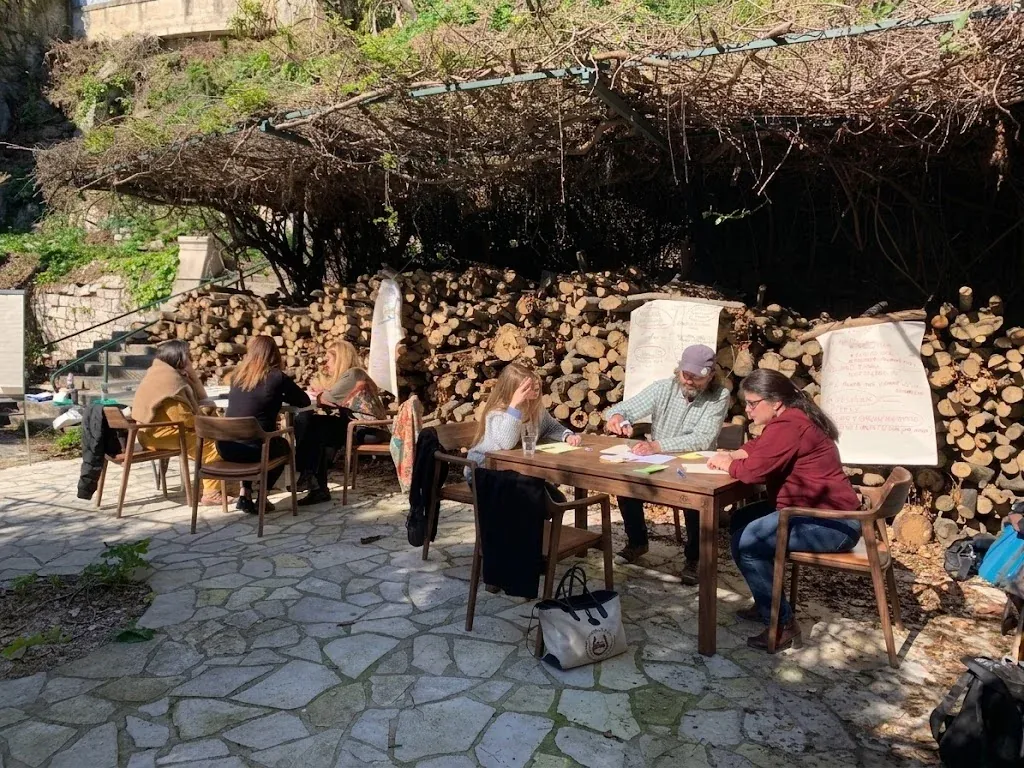
It comes from a dialogue between different skills, each able to question the others and move the project on.
The ZYRCLO workshop carries the signature of Alexis Breuil, architect and project manager, who conceived its architecture and is now seeing it built with unfailing rigour.
Alongside him, Amandine Lipari, BDM adviser, turned the scheme into a genuine tool for thinking. Her eye, her rigour and her knowledge of the framework meant every decision was questioned, not to tick a box on an assessment grid, but to improve the project at each stage.
As the client, I discovered that the greatest value of a scheme like BDM does not lie in its technical criteria alone. It lies in its ability to bring points of view into conversation, and to produce a project truer than the one any of us would have imagined alone.
Recognition... but above all a responsibility
At the design stage, the ZYRCLO project was awarded Gold level under the BDM scheme.
That recognition acknowledges the choices made, but it is not an end point.
Unlike a label awarded once and for all, BDM stays with the project over time.
It continues through the build, with a clean site charter, monitoring of the works and their assessment by a construction panel. It then carries on through the building's first years in use, when a use panel comes to check that the ambitions set out at the design stage show up in the building's daily life: quality of use, comfort, environmental performance and the ability to adapt.
That demand strikes us as essential.
It is a reminder that a sustainable building is not judged on its intentions, but on its ability to keep its promises over time.
A workshop in the service of local transition
Tomorrow, the ZYRCLO workshop will be far more than a place where things are made.
It will host the preparation of materials, prototyping, making, repair, adaptation and experiment around reclaimed wood, recycled plastic and, more broadly, local resources that can be put to use within a circular logic. It will also be a space for cooperation between local authorities, craftspeople, designers, companies, institutions and partners who want to develop more circular solutions together.
We hope it will become a place where people come not only to make objects, but to share skills, try out new practices, and build answers suited to what the area needs.
Building differently in order to act for the long term
If ZYRCLO chose the Bâtiments Durables Méditerranéens scheme, it was not to collect a distinction.
It was because we were convinced that a building should be consistent with the purpose of the people who work in it.
Today, the ZYRCLO workshop is becoming what we hoped for: a building meant to last, to change with its uses, to make the most of local resources, and to show that another way of building is possible.
In the end, BDM taught us something essential: the quality of a building is not measured by its technical or energy performance alone. It is also measured by its ability to create value for its area, to support transitions, and to stay useful, alive and worth having as the years pass.