Workshop in Villars-sur-Var, Alpes-Maritimes
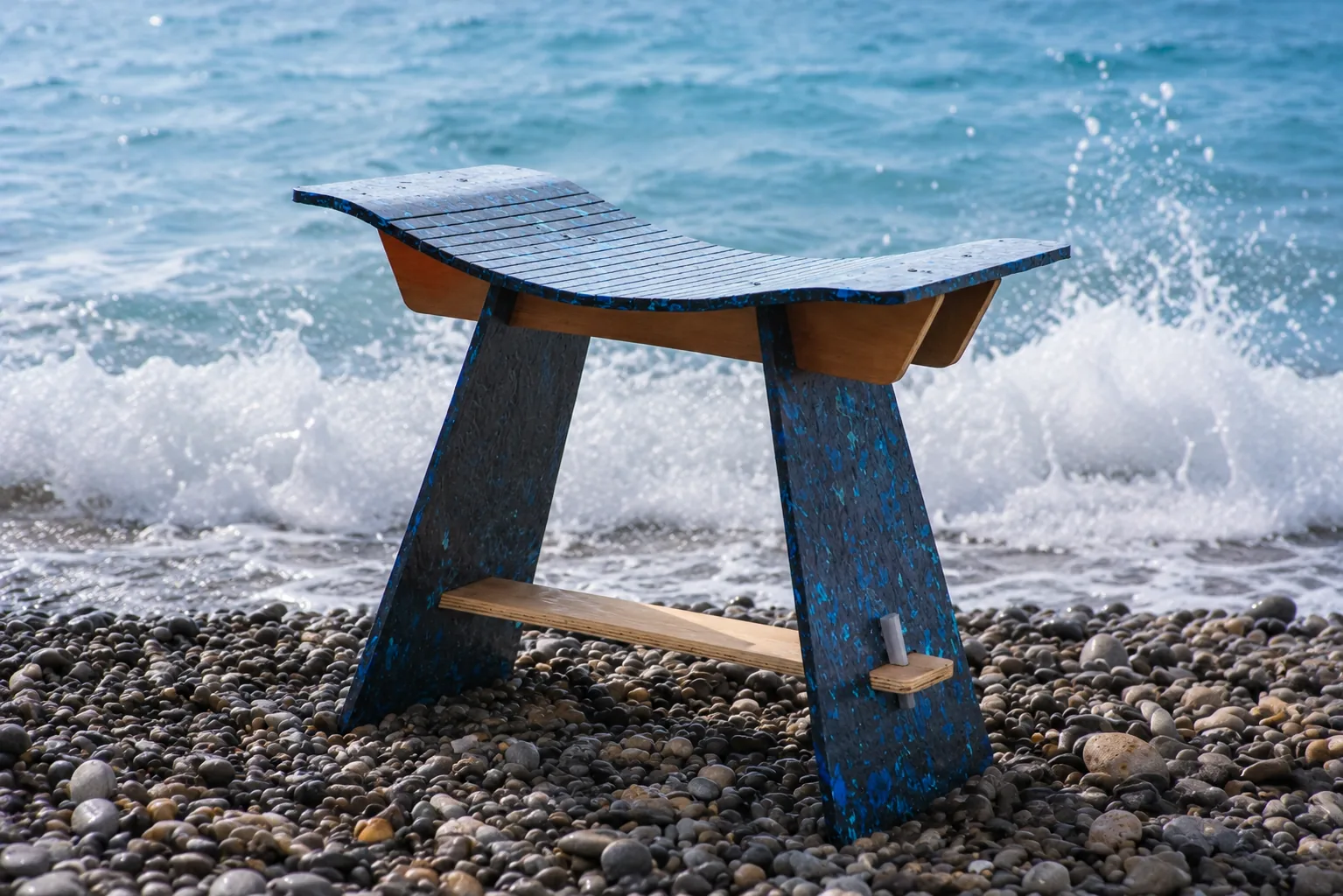
From a first thought about the materials leaving the area, to a workshop in Villars-sur-Var, ZYRCLO took shape through encounters, experiments and real uses. Here is the path that gradually made the project what it is.
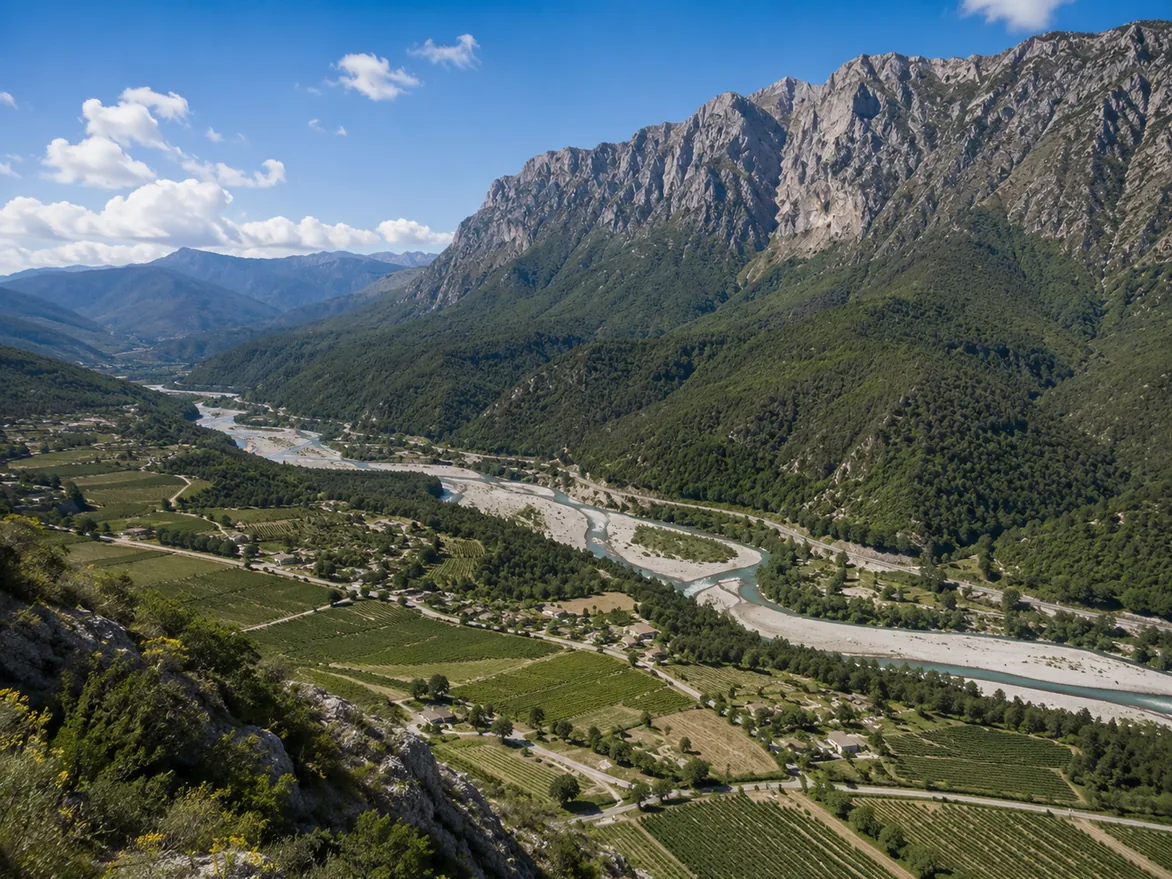
ZYRCLO starts from what is already here: materials, skills, uses and the people involved. The point is not only to make things differently, but to create activity locally, to preserve the value of resources, and to get local skills working together.
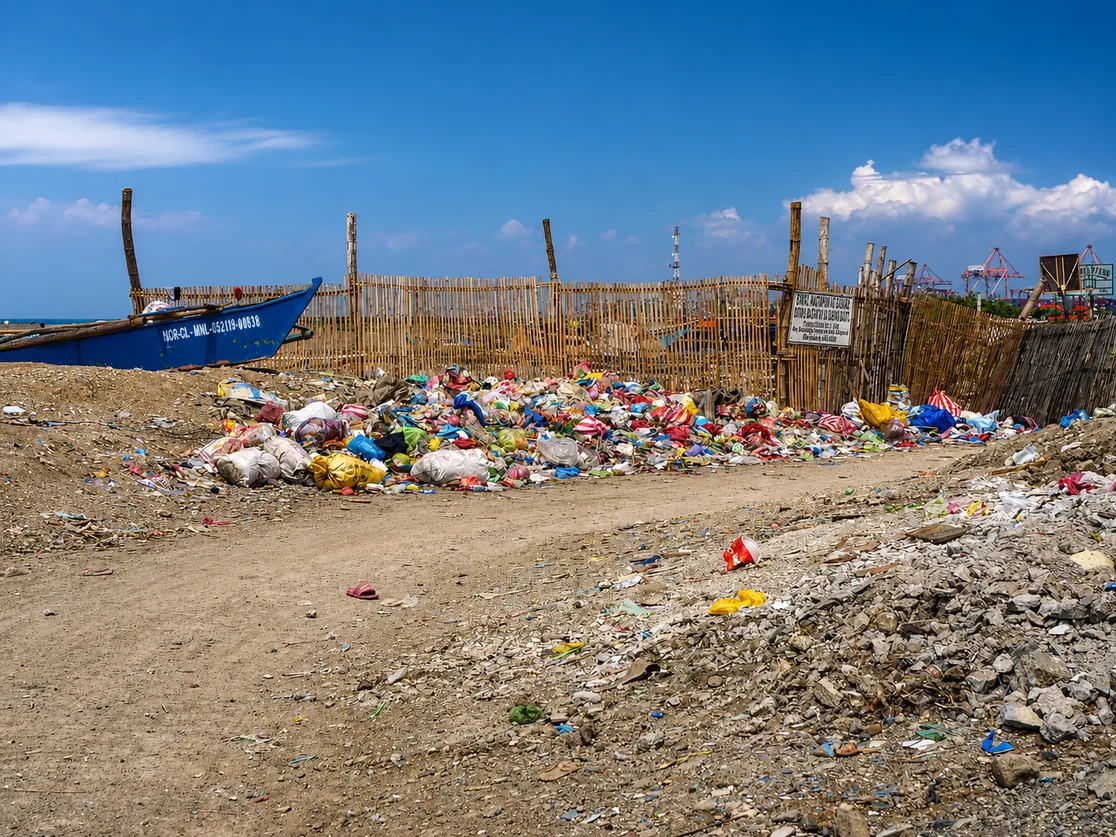
In the Philippines, plastic pollution is impossible to miss. On the banks, in the streets, right into the rivers, piles of waste make visible what most of us would rather not see: what happens to materials once we are done with them.
On the island of Davao, local schemes collect some of that plastic and transform it on the spot. Nothing revolutionary in the technique. But another reading of material appears: waste is not only a problem to get rid of. It can become a resource again, a use, an activity.
The observation stays.
Back in the Alpes-Maritimes, that experience echoes another reality, a less visible one: a great deal is collected here, and very little is transformed here. Materials leave the area before finding a use and a value in it.
And with them goes part of what could have been created locally: activity, skills, jobs, economic value.
It is in that gap that the idea of ZYRCLO starts to take shape.
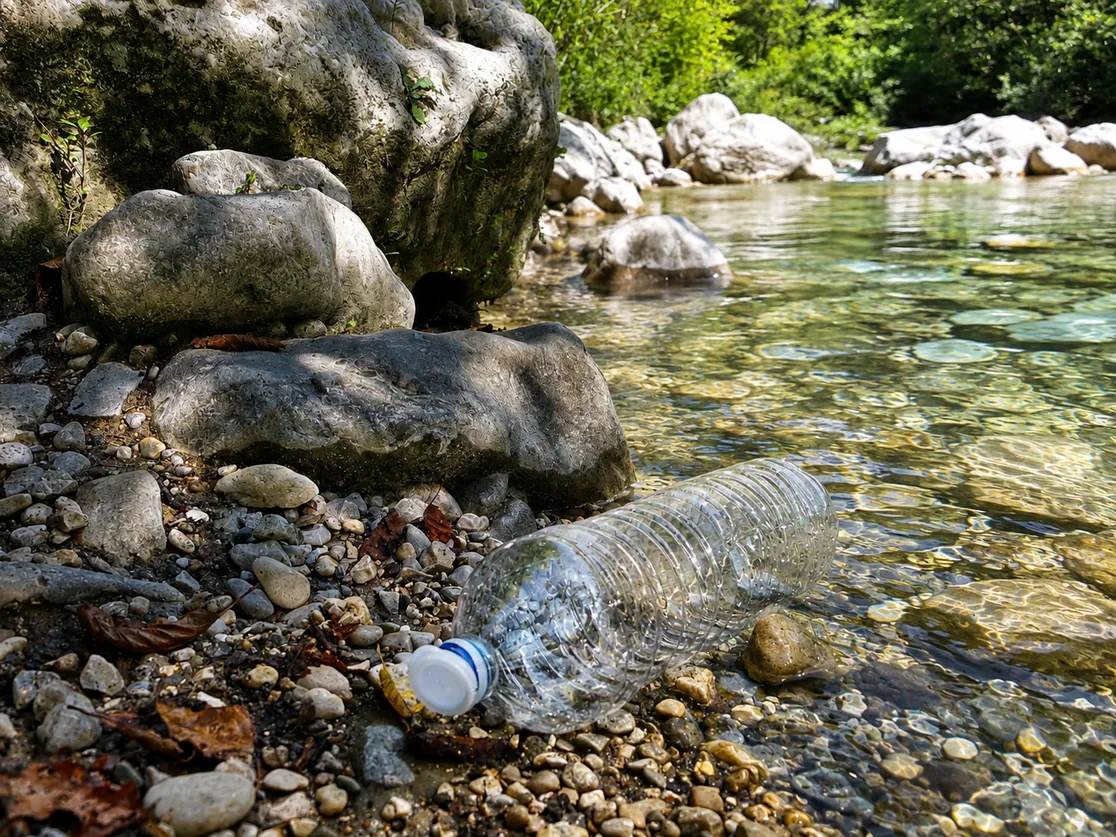
Back in the Alpes-Maritimes, the intuition meets reality. Plastic becomes ZYRCLO's first testing ground: understanding the material, trying out ways to transform it, imagining uses, making the first objects.
But experimenting also means learning. Trial after trial, encounter after encounter, the project sharpens. A material is not enough to define a solution: it still has to answer a need, find its place in a use, and be able to last.
Little by little, ZYRCLO changes perspective. The question is no longer what to make with an available material, but what needs to be useful, and then how best to answer it.
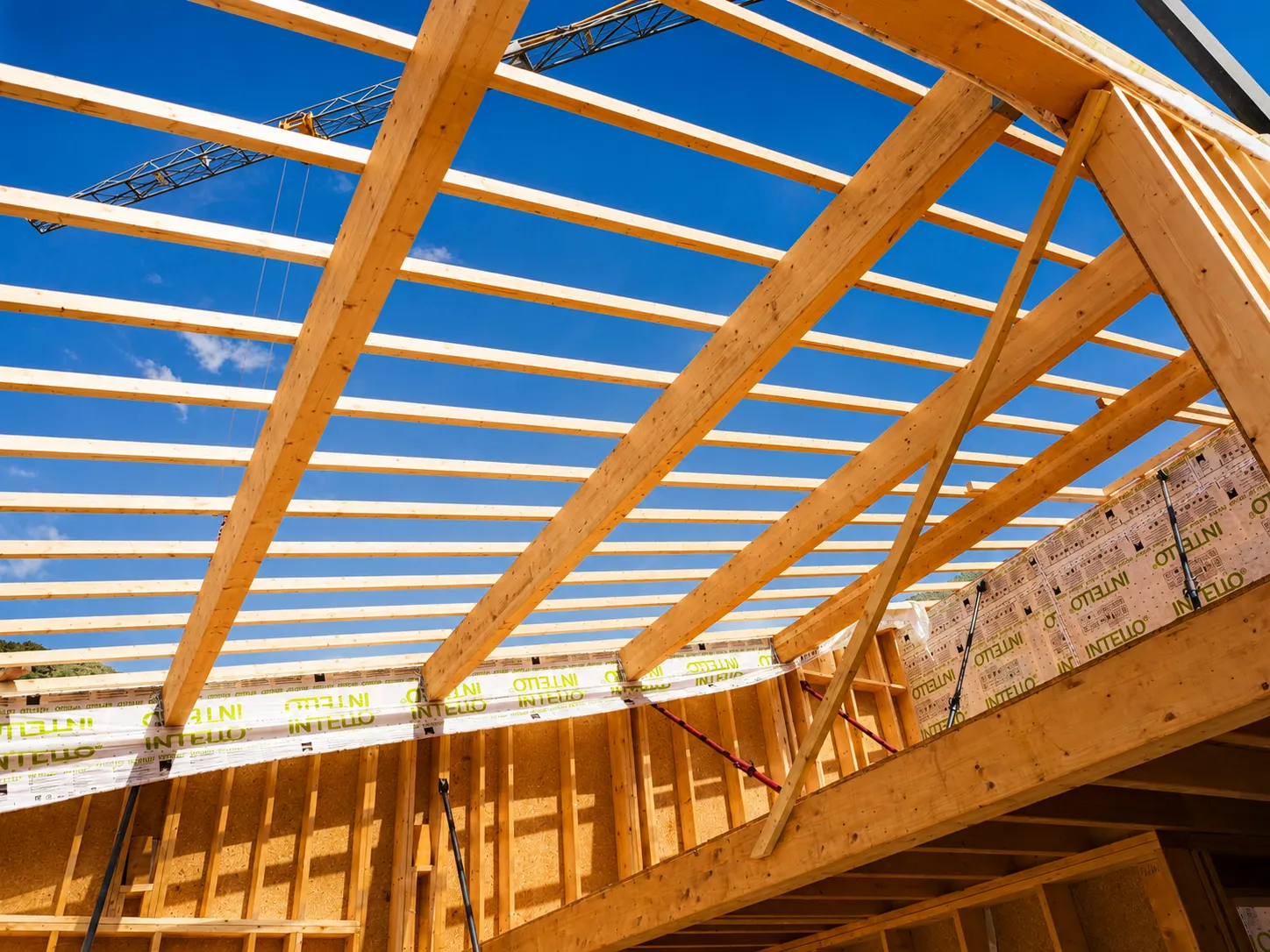
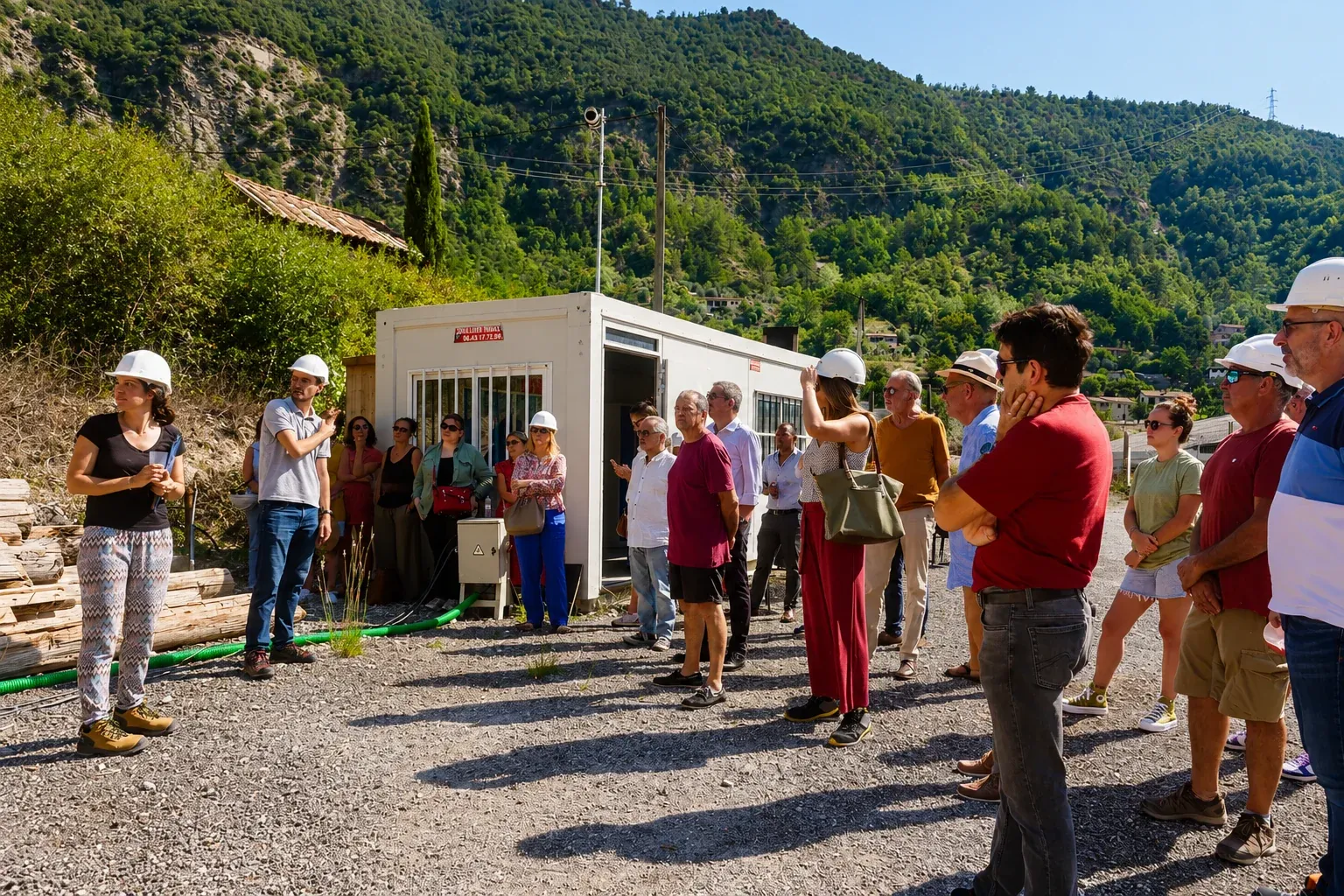
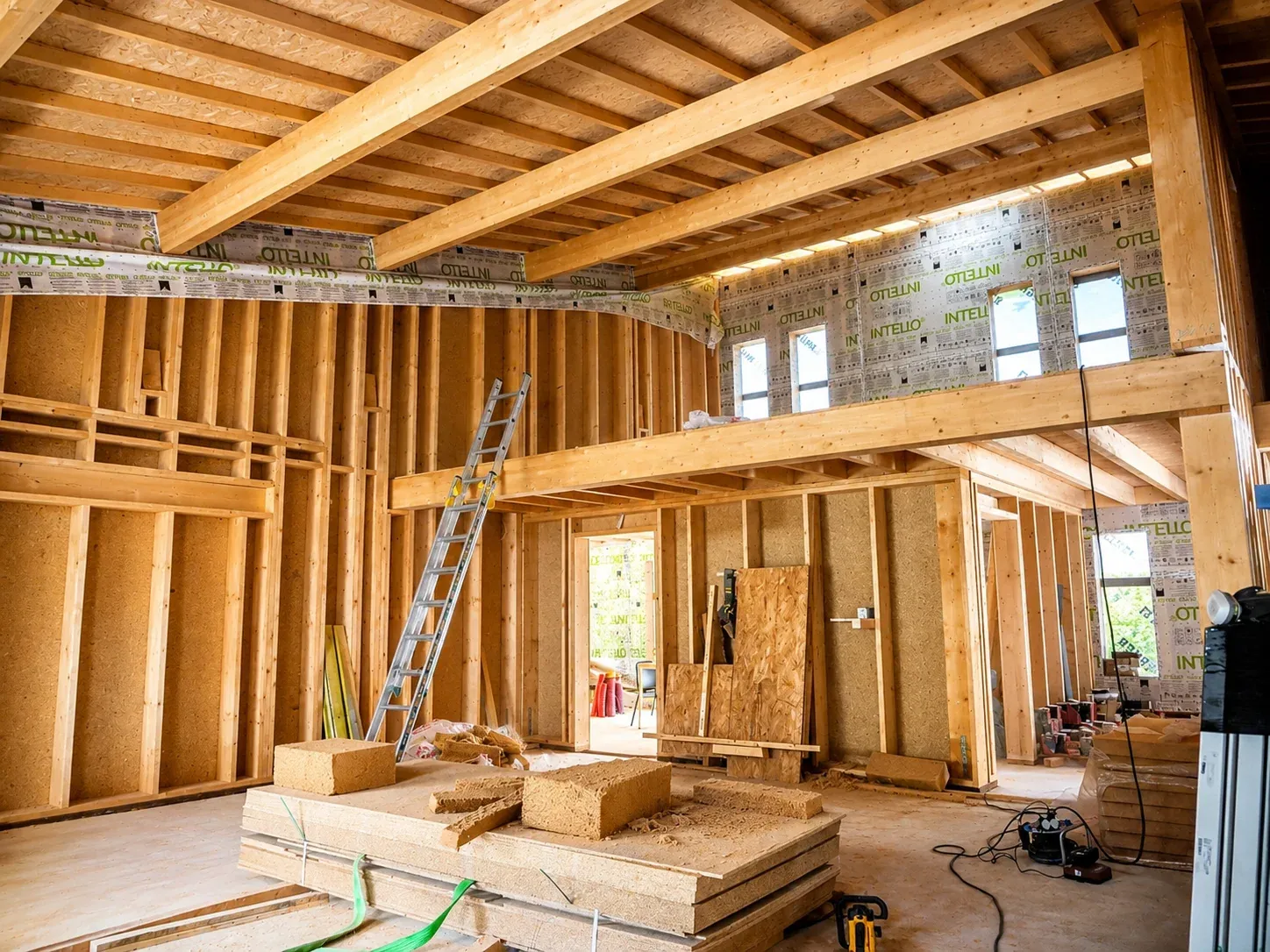
Rehabilitating the brownfield site and building the workshop open new ground. As the build goes on, conversations with companies, craftspeople and local players bring other resources to light, wood from renovation and demolition in particular.
Gradually the workshop takes on a different shape: less a production tool standing on its own than a meeting point between resources, skills and projects.
Another way of producing begins to appear: work with what exists, bring the right skills to the right place, and build more of it together.
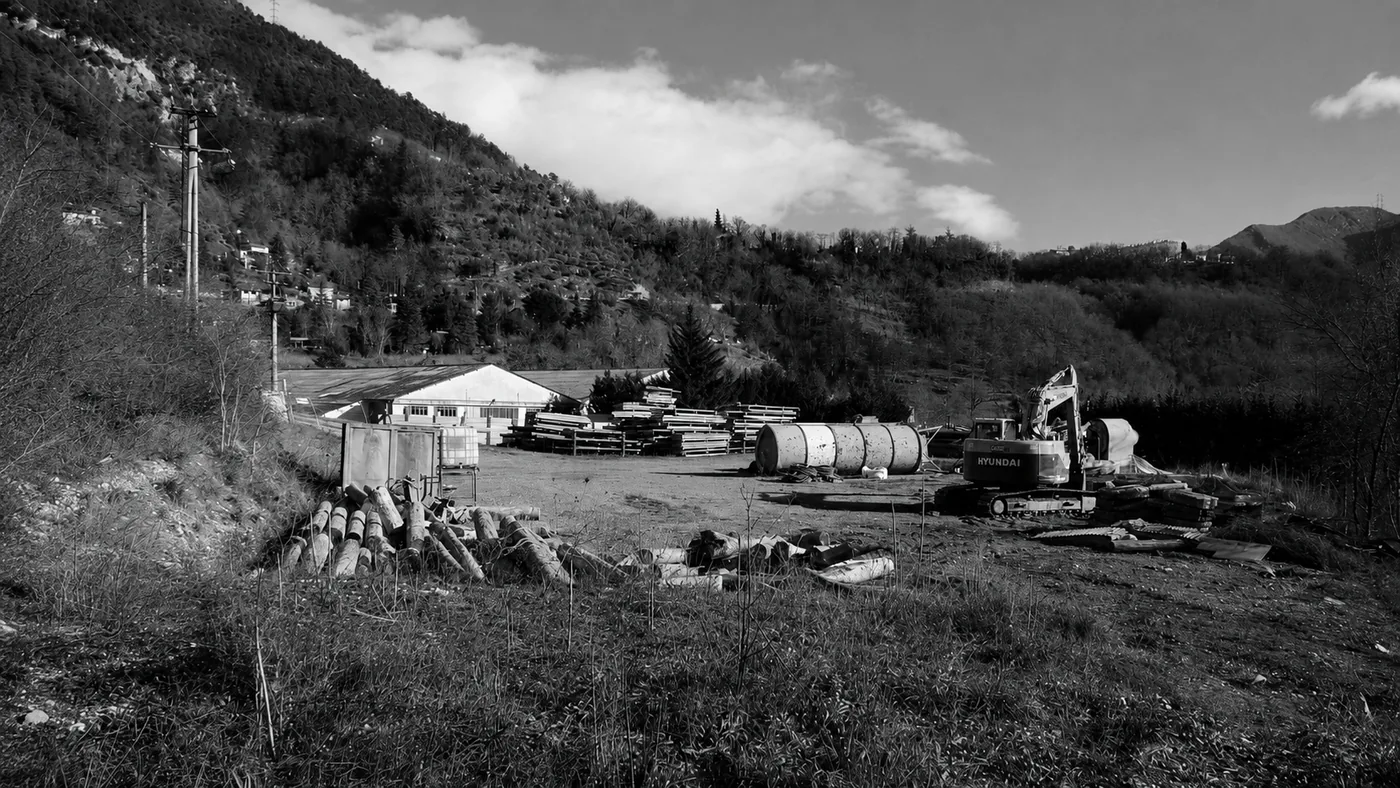
It took nearly two years to find the place. Not simply an available building, but somewhere the project could make full sense.
The choice fell on Villars-sur-Var, in the Var valley, on a former industrial brownfield site. A site to bring back into use, in a rural area where creating productive activity again carries particular weight.
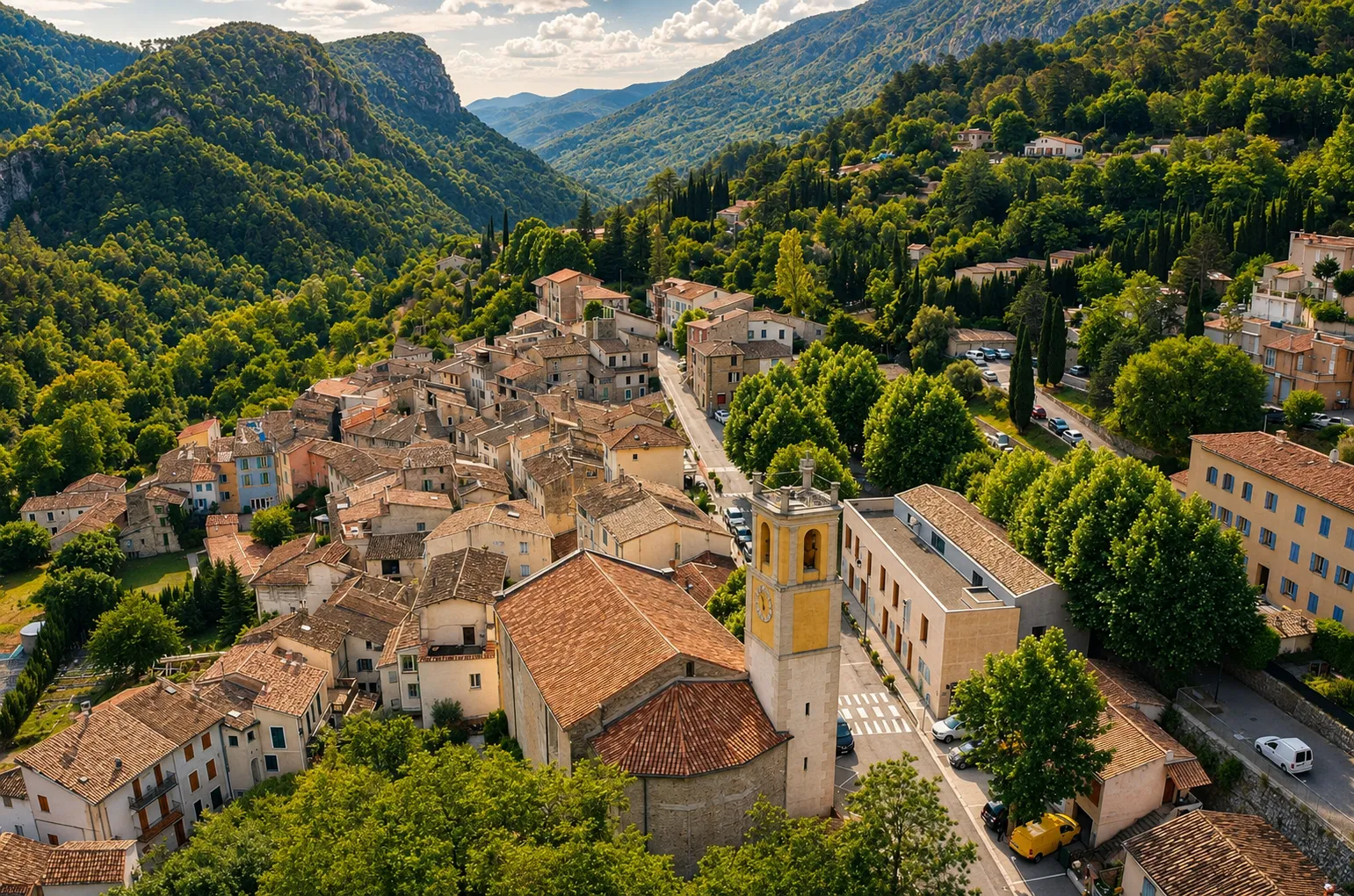
That choice goes well beyond the workshop's address. In Villars-sur-Var, rural does not mean cut off: the village sits where the Nice basin meets the upper valleys.
A position that matches ZYRCLO's ambition: to root productive activity in a rural area while building links with the resources, the skills and the needs of a wider region.
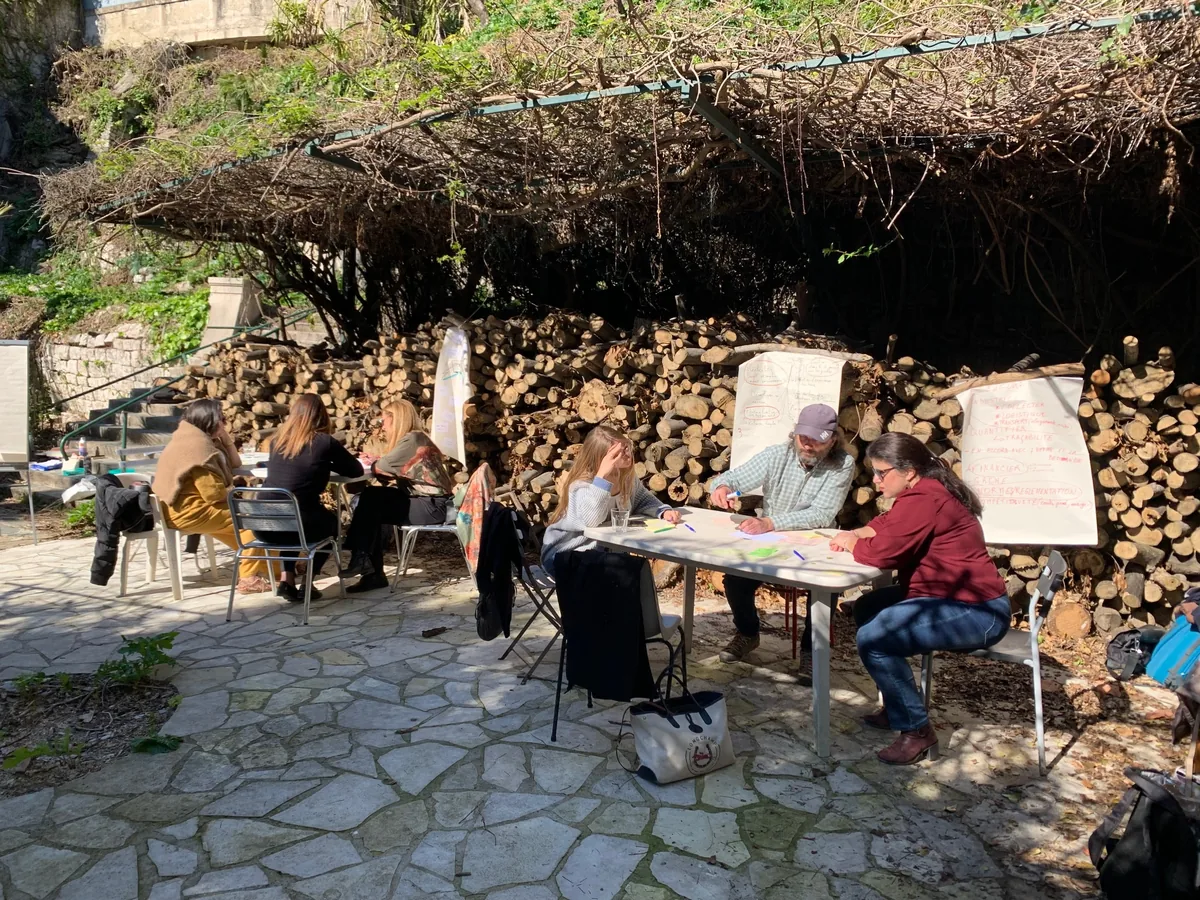
As the project sharpens, one question moves to the centre: what actually creates value for the person using the thing?
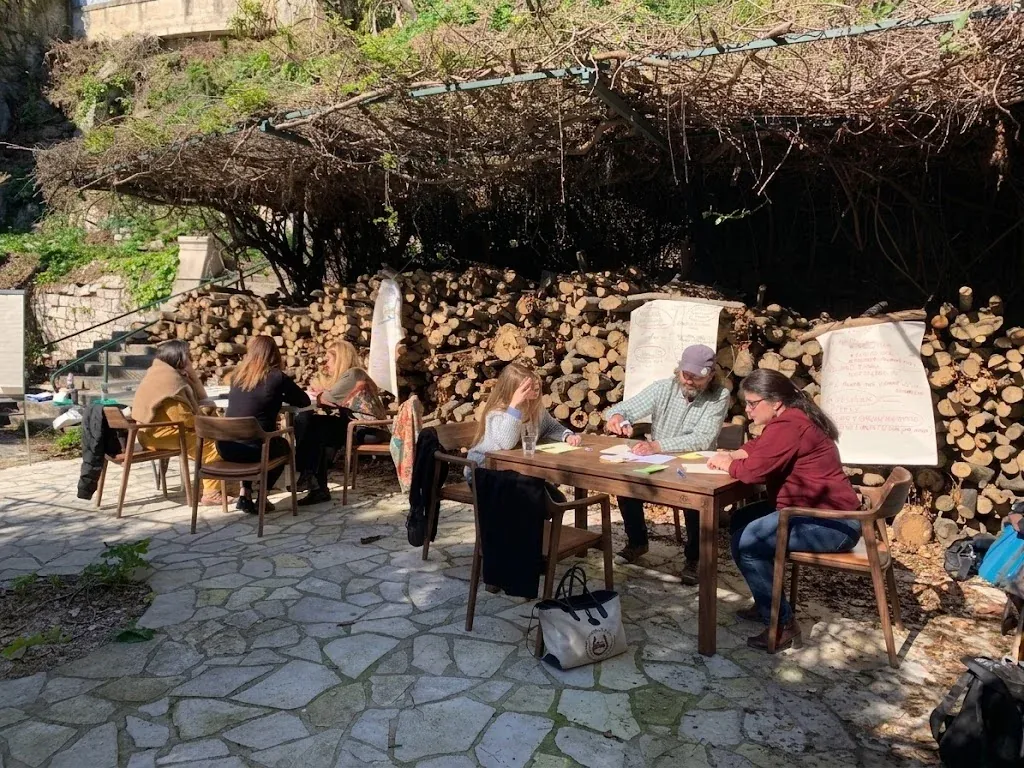
Workshops held with companies, local authorities and people from the area test the first intuitions against real uses. The conversations are less about objects than about needs: being able to adapt a fitting, repair it, let it change, extend how long it stays useful, sometimes avoid replacing something that still works.
That is where the functional and cooperative economy (EFC) takes on its full meaning for ZYRCLO. Value no longer sits only in what is made, but in the service rendered and in its ability to last.
The project then takes a further step: designing, making, maintaining, repairing, adapting, taking back, and organising the cooperation needed to keep doing so over time.
ZYRCLO starts by understanding a need, a place, and how people actually use it.
The answer may then take the form of a piece of furniture, of fittings, of a change to what already stands there, or of a service alongside it. The product is an answer, not the starting point.

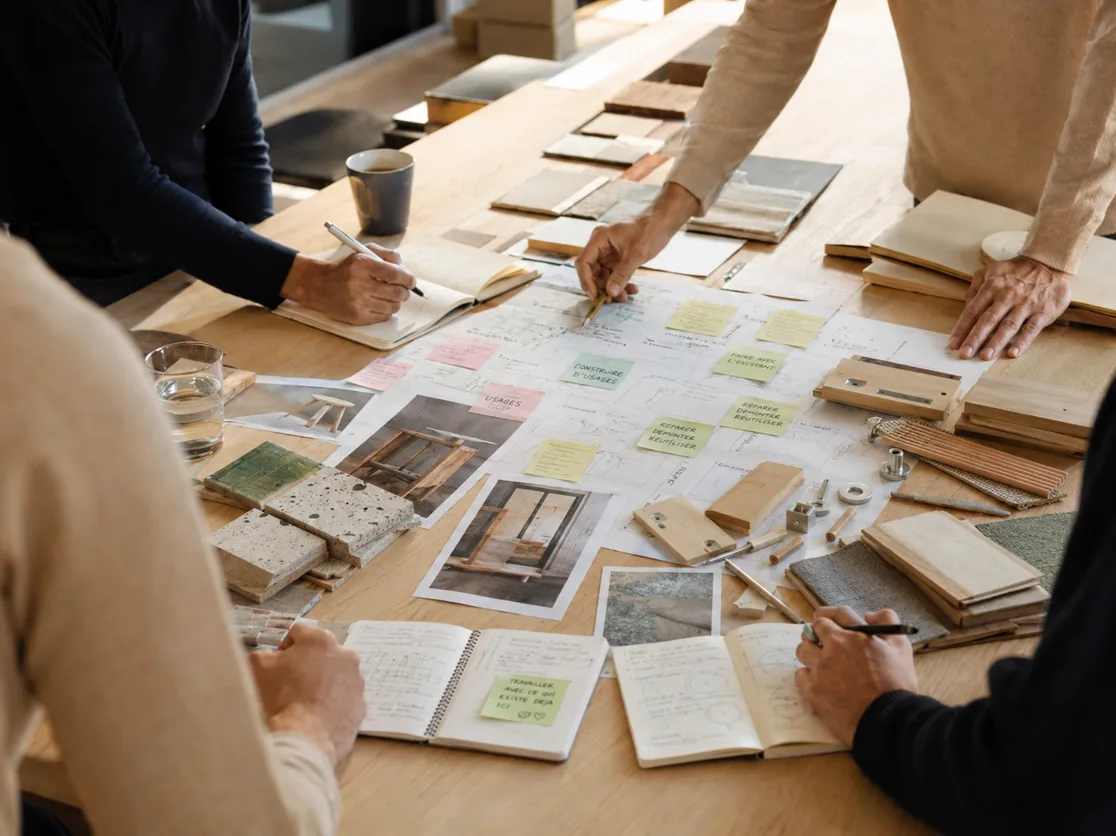
Understand how things are really used, build the answer together, and let it change over time.

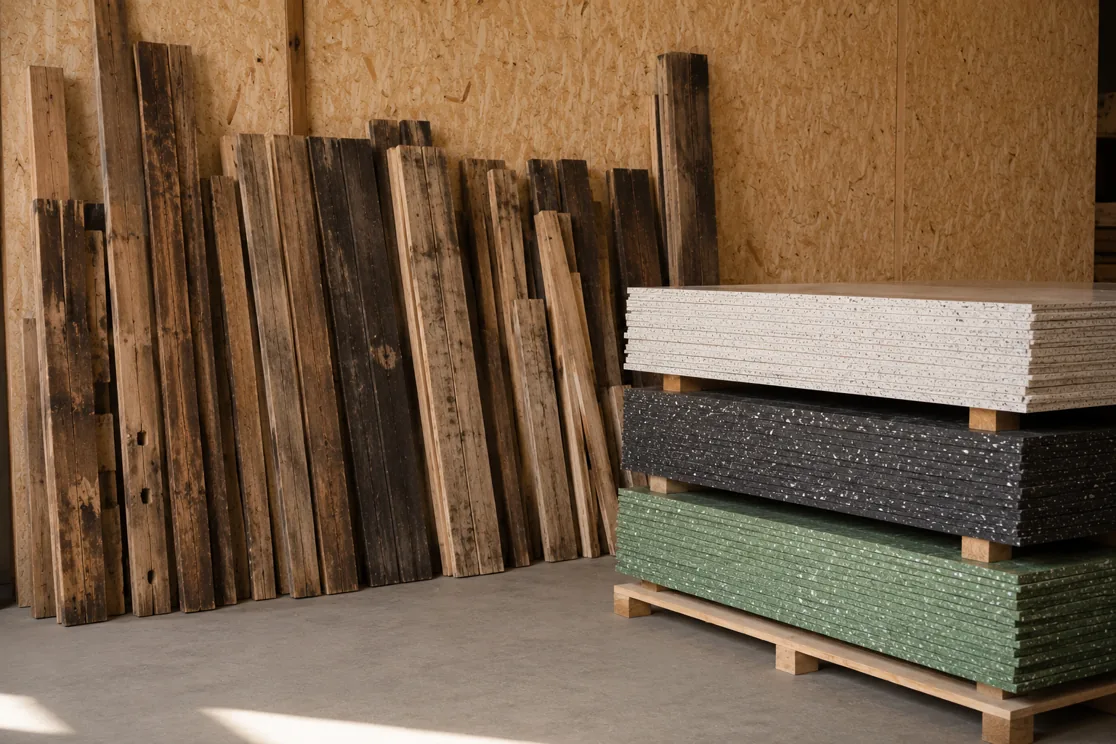
Identify what already exists, favour reuse, and bring in secondary materials where their use makes sense.

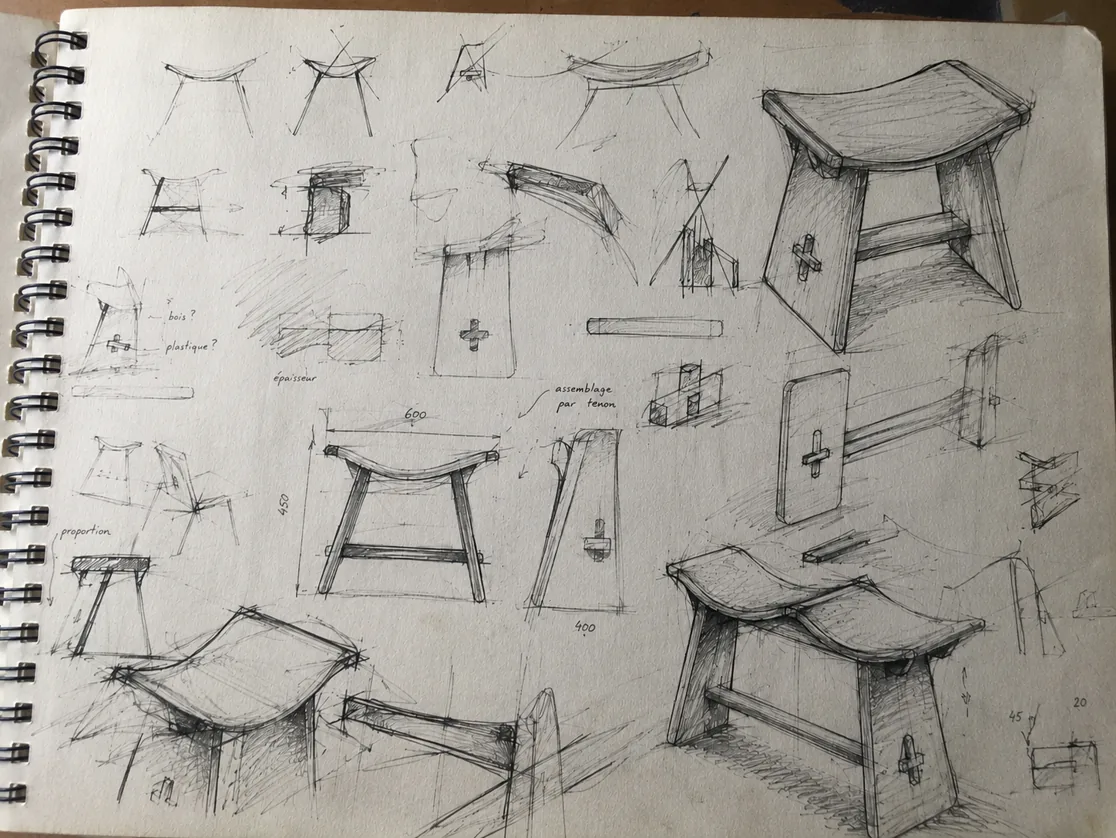
Design solutions that can be taken apart, repaired and adapted, so they can change rather than be replaced.

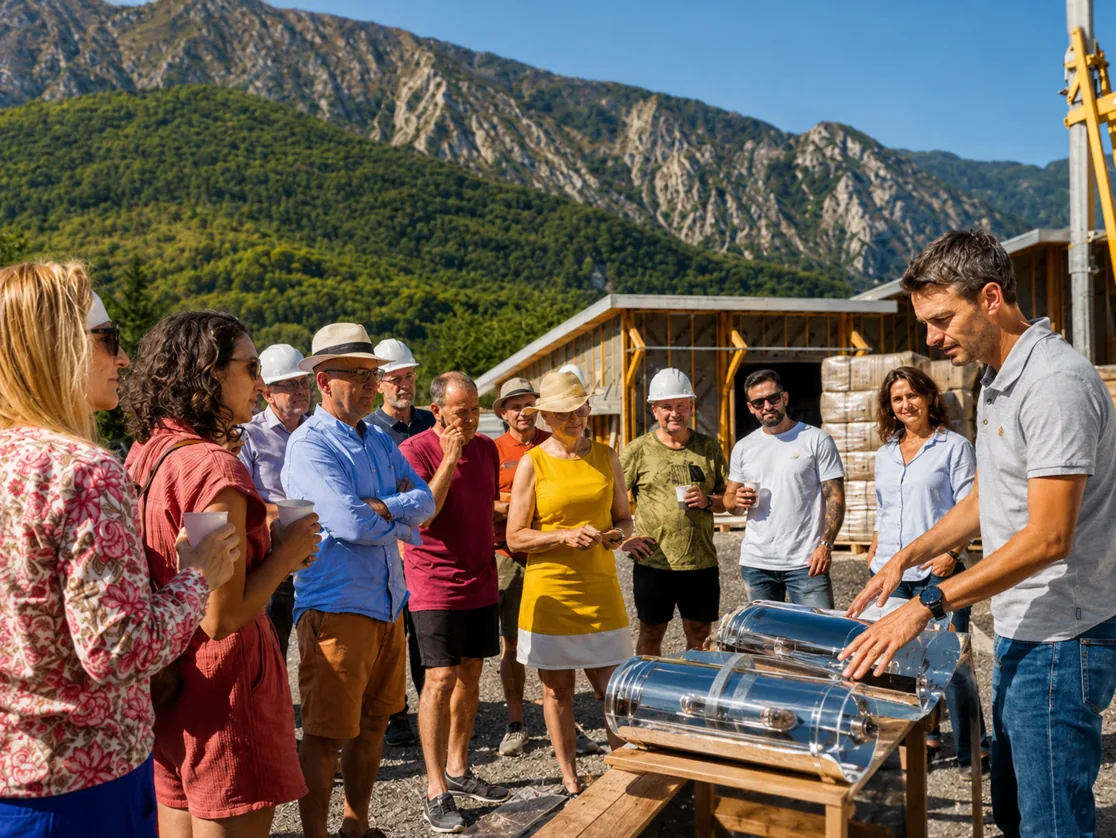
Bring the useful skills to each project: design, materials, making, reuse, architecture, environment, work integration or engineering.
ZYRCLO designs furniture and fittings, and keeps them going, drawing on the materials and the skills of rural areas.
We build equipment made to last, and extend the life of existing furniture through reuse, repair and transformation.
Our ambition: to bring about economic activity that is viable, useful where it stands and impossible to relocate, while keeping materials in use as long as possible, cutting waste, and strengthening cooperation between local players.
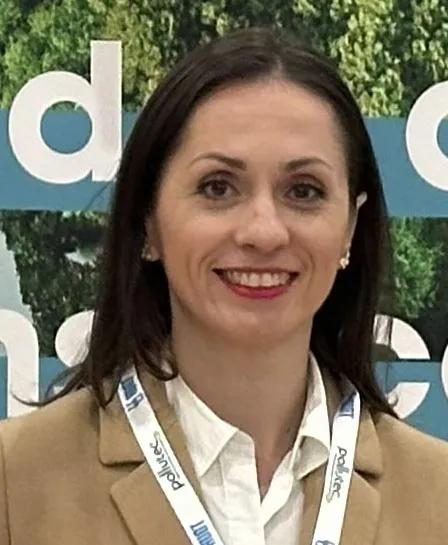
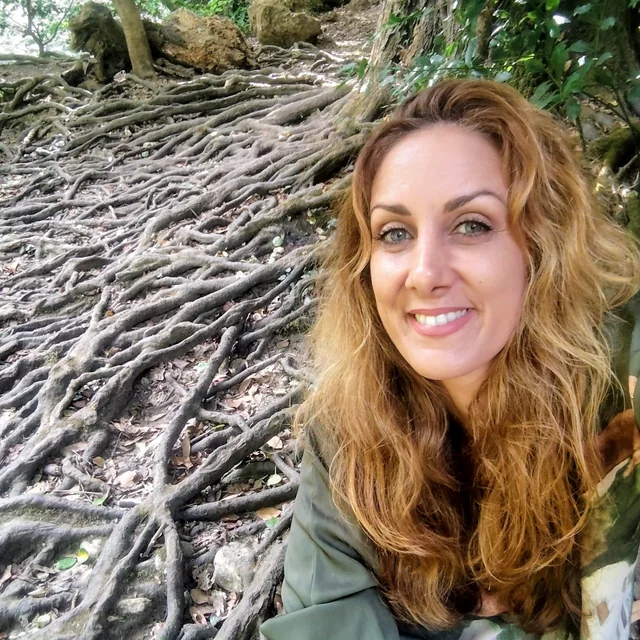
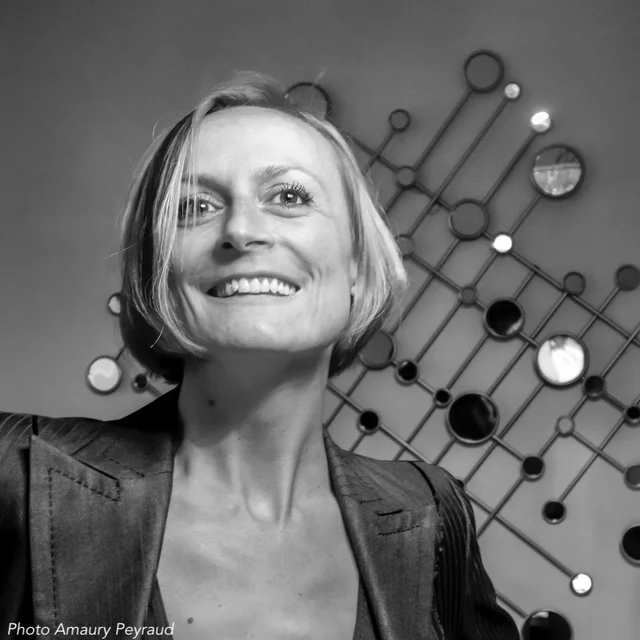
From the start, ZYRCLO has been built by several voices. Architecture, materials, sustainable building, circular economy, cooperation, work integration, engineering: different skills and different points of view have followed the project, questioned it, and helped it move.
That ecosystem is still growing around ZYRCLO today.
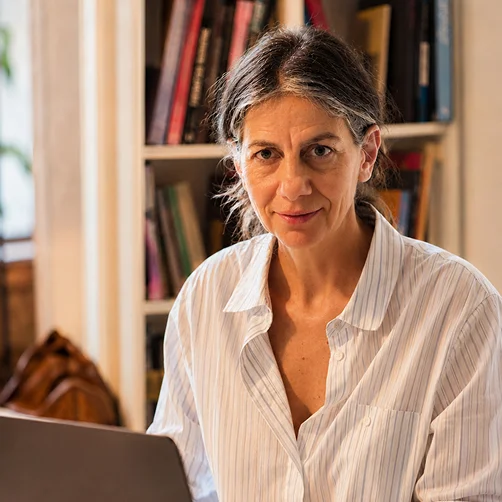
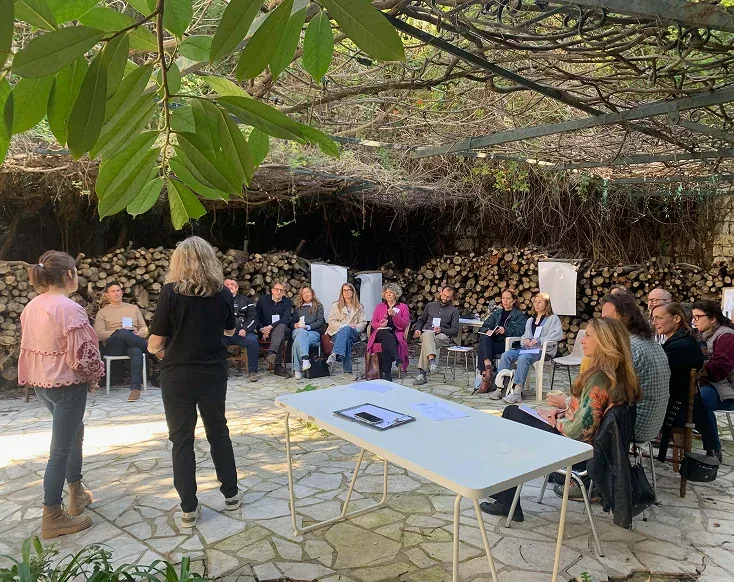
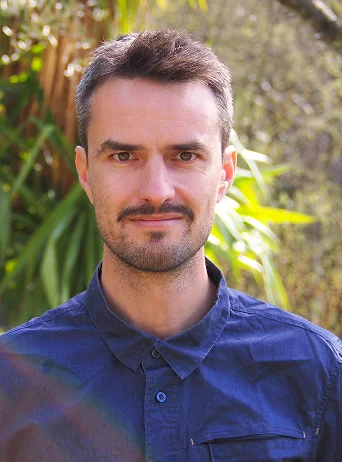
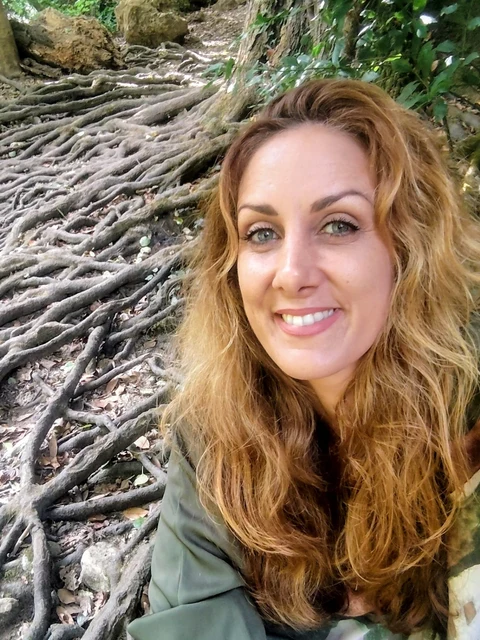
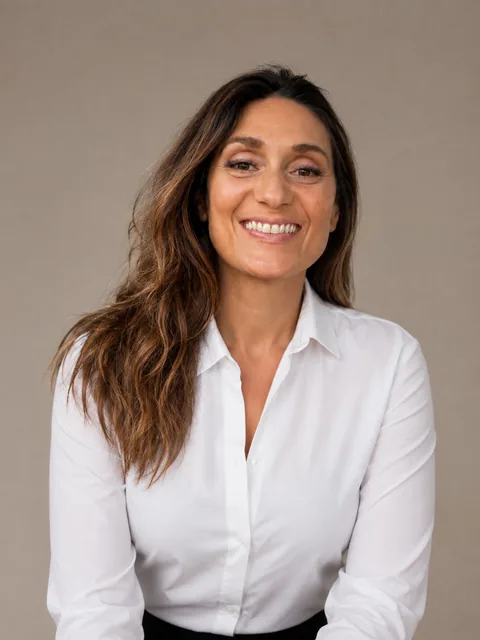
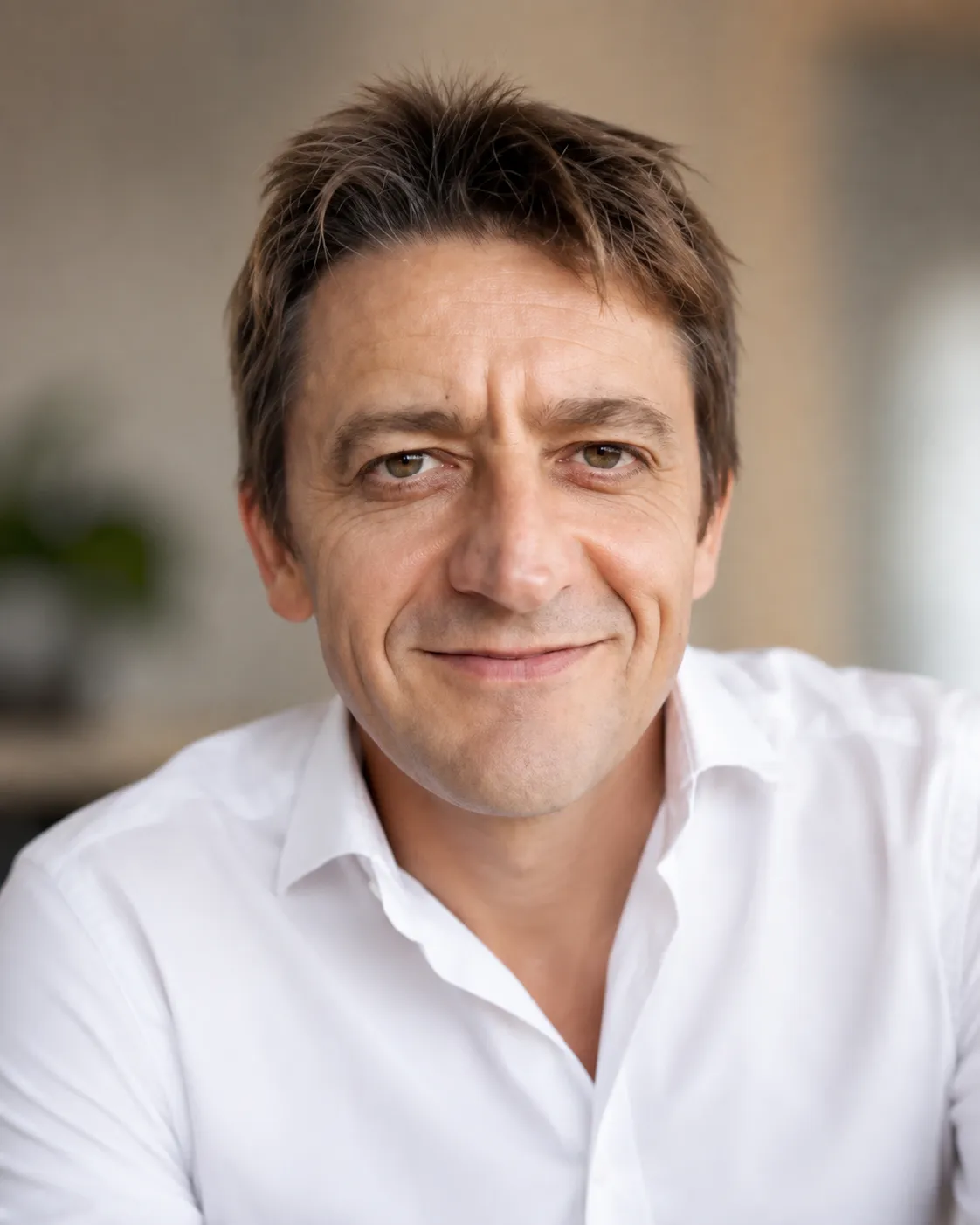
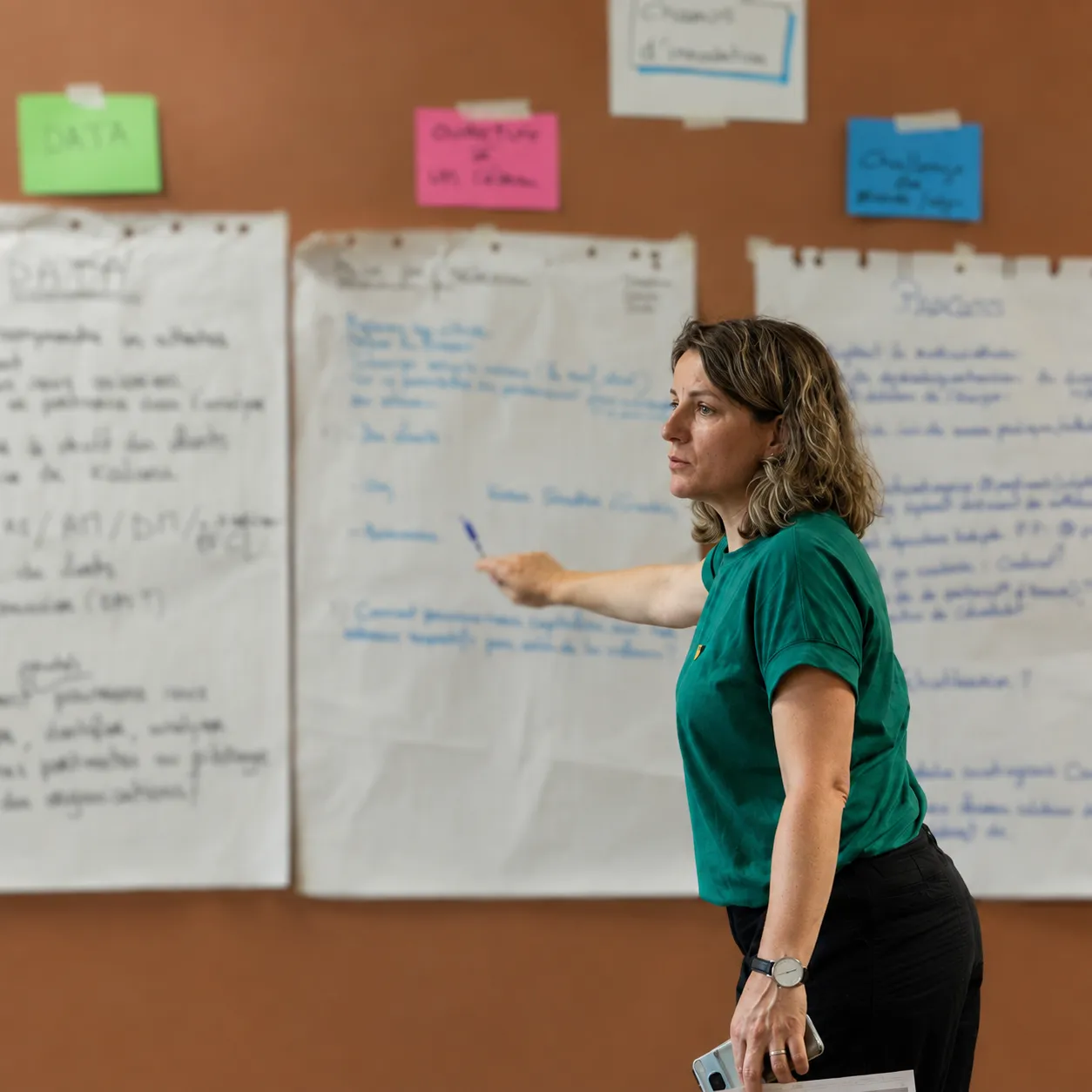
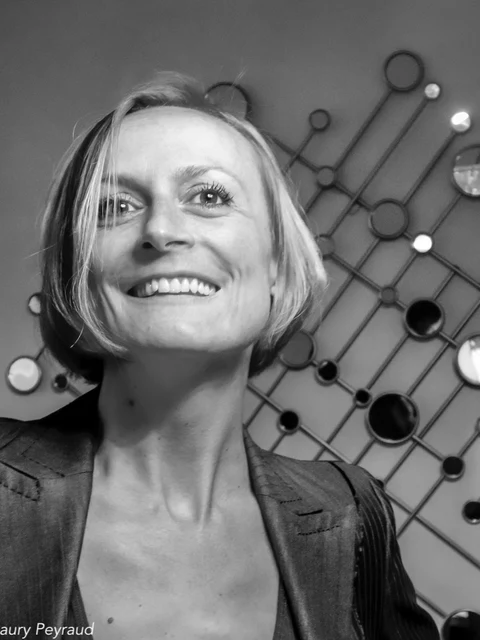
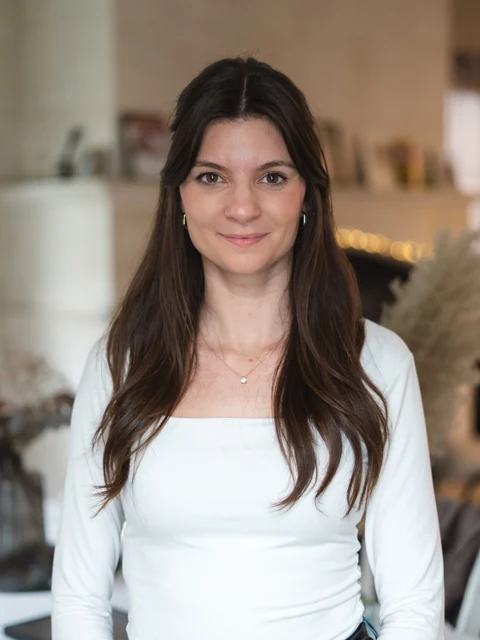
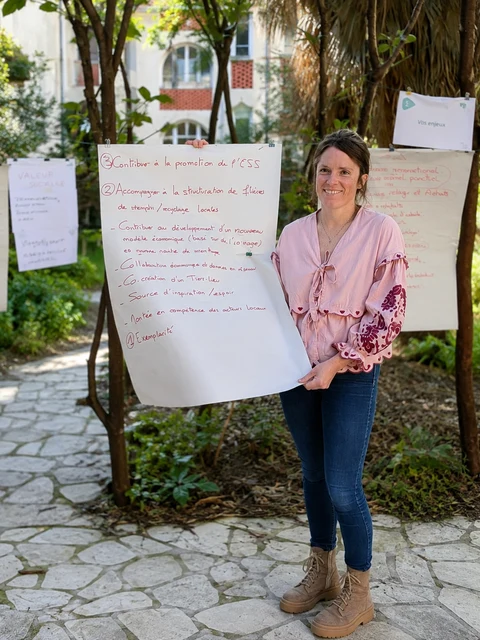





Rehabilitating the brownfield site and building the workshop brought together an architect, engineering consultants, companies and craftspeople with complementary skills. The place already says something about ZYRCLO: different trades meeting, each contributing in its own place to a shared project.
Alexis Breuil - Architect & project manager
Amandine Lipari - BDM adviser
ZYRCLO is part of the ÉcoTéa ecosystem, which takes over existing places to create, in rural areas, the conditions for a productive, local and cooperative economy.
In Villars-sur-Var, ZYRCLO is its first productive foothold.
ÉcoTéa is also opening a second place in Roquestéron, the Eugène workshop, given over to hosting and cooperation.
Bring existing buildings back, organise how they are used, connect the people involved.
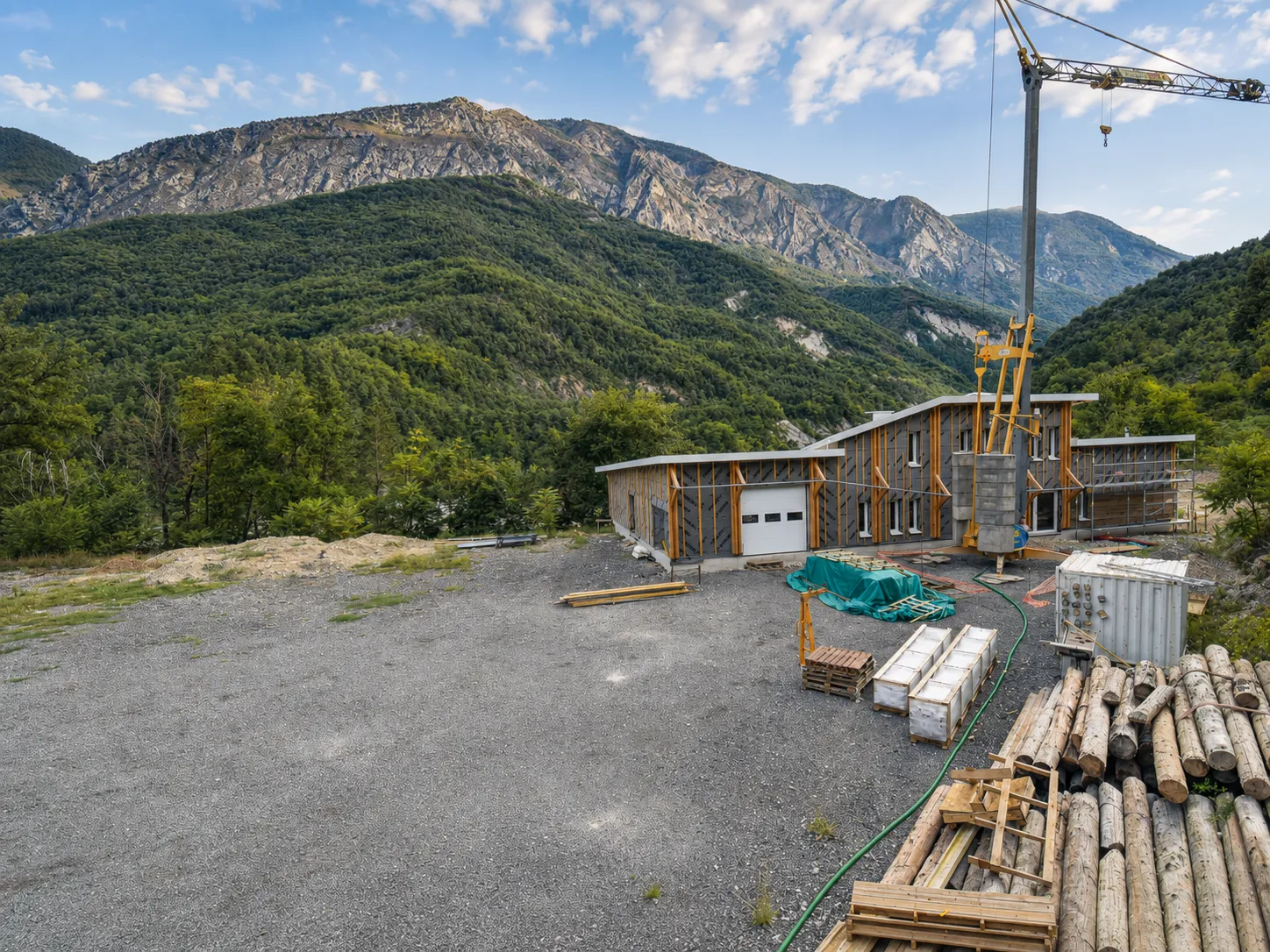
The build is moving forward, ideas are taking shape, partnerships are forming. Follow ZYRCLO as the project unfolds.