
Contents
The key points of this article
- EFC starts from needs, not from products
The key point: EFC changes the way you run a business. Instead of asking « What can we sell? », ZYRCLO starts by asking « Which useful problem can we solve? ». Solutions come from real uses, not from a product catalogue.
- Observe before acting: 4 verbs that sum up the approach
Before designing a solution, ZYRCLO:- Observes how things are used,
- Listens to the people using them,
- Identifies the resources and the needs,
- Cooperates with the people of the area.
- Cooperation creates more value than competition
The key point: ZYRCLO's aim is not to do everything, but to find its right place in the local supply chain. EFC encourages strengthening cooperation, extending the working life of equipment, and building solutions with the area rather than for it.
What if furniture was not really the point?
People who come across ZYRCLO often picture a company that makes furniture out of reclaimed materials.
That is not wrong.
But meeting after meeting, with local authorities, companies, care institutions, hotels, community spaces and event organisers, one thing became obvious.
Very few people talk to us about furniture.
All of them talk to us about difficulties.
Spaces that no longer match how they are used.
Furniture that has stopped fitting.
Equipment replaced when it could still have served.
Materials available locally with nowhere to go.
Little by little, we understood that the question was perhaps not:
« How do we make more furniture? »
But rather:
« Which useful problem can we help solve? »
That line of thought led us to the functional and cooperative economy.
EFC: another way of creating value
The functional and cooperative economy (EFC) invites companies to shift their gaze.
Rather than starting from a product to sell, it suggests starting from the real needs of people, of organisations and of the local area.
This is not about wrapping services around a product.
It means understanding how things are used, identifying the difficulties people run into, and building answers with those concerned that create lasting value.
For ZYRCLO, this way of thinking is particularly bracing.
It pushes us to question what we take for granted and to look at our own activity differently.
An exploration, not a set of certainties
Contrary to what one might assume, we have not reached the end of this work.
We are at the beginning.
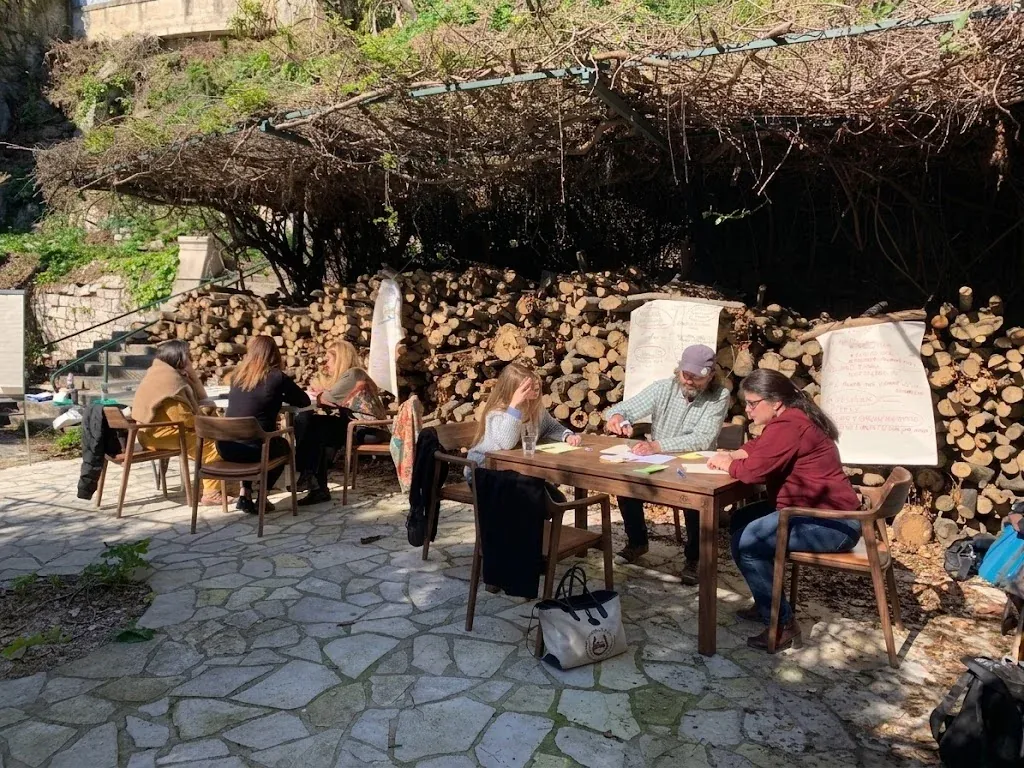
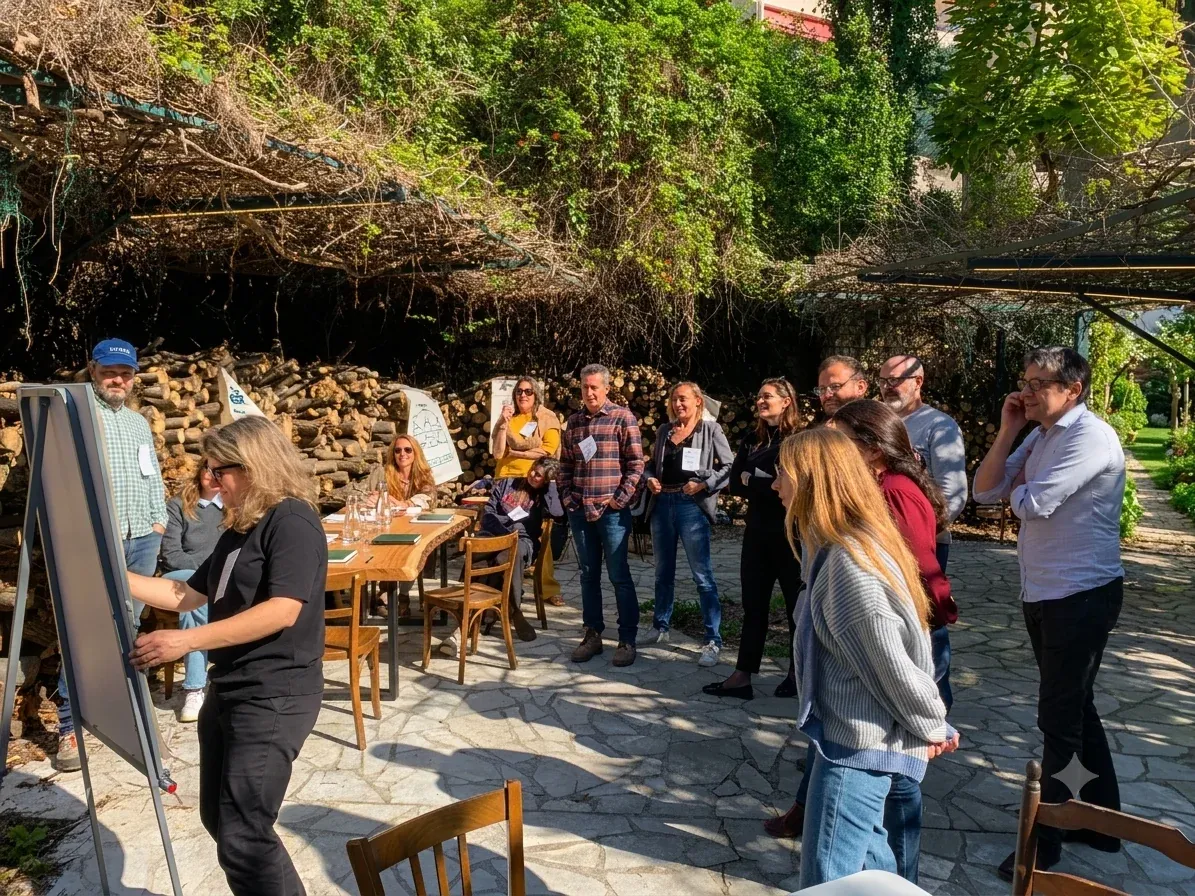
For several months now, ZYRCLO has been supported by ImmaTerra, and in particular by Heidi Vincent and Sophie Radisse, in a functional and cooperative economy process.
That support is not about applying a ready-made method.
It invites us to slow down, to observe, and to understand our ecosystem better before defining the services we will develop tomorrow.
This stage matters.
It leads us to identify what already works in the area, the skills that exist, the possible complementarities, and also the needs that remain poorly covered.
In other words, before looking for what ZYRCLO could do, we are looking for what it actually makes sense for ZYRCLO to do.
Observe before acting
This shift changes how we approach projects.
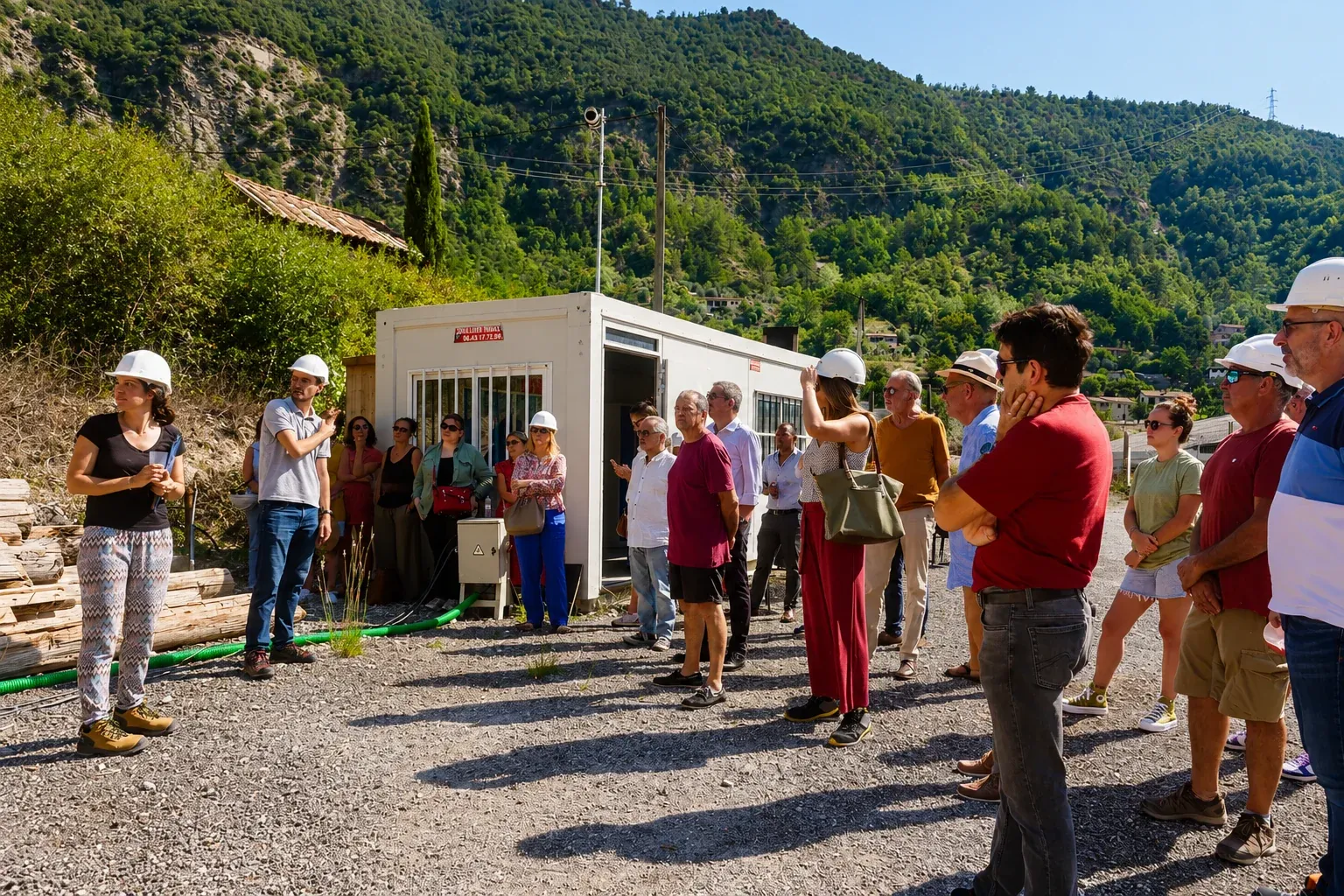
Before drawing a piece of furniture or imagining a service, we try to understand the use.
We meet the people who will use it.
We talk with local authorities, companies, craftspeople and local partners.
We watch how things are actually done.
We try to identify the recurring difficulties, the resources available, and the cooperation that already exists.
Sometimes the answer is not new furniture.
Sometimes it lies in better organisation, an adaptation, a repair, a shared resource, or simply in putting two people in touch.
This listening phase is probably the most important of all.
Finding the right place in a supply chain
One of the lessons of EFC is that a company is not meant to do everything.
Quite the opposite.
Creating value often runs through better cooperation with others.
For ZYRCLO, that means gradually working out our place within the local supply chain.
Which skills are already here?
Which ones deserve strengthening?
Which needs still go unanswered?
On which subjects can we make a genuinely useful contribution?
These questions are still open.
And that is exactly what makes the process worth doing.
Our ambition is not to replace the people already at work.
It is to help strengthen a local ecosystem where each one has a place.
Reclaimed wood as the anchor
As this thinking went on, one element gradually asserted itself.
Reclaimed wood is now the resource around which ZYRCLO is building its project.
Available locally, and carrying real environmental and technical value, it has become the structuring material of our workshop.
Recycled plastic, textiles, cork and other materials naturally keep their place.
They enrich the solutions when the use calls for it.
This is not a retreat.
It simply reflects a wish to build a project that is legible, rooted in the resources of its own area.
A company that learns
The functional and cooperative economy does not hand us ready-made answers.
Above all, it teaches us to ask better questions.
How do we create more value with fewer resources?
How do we extend the working life of equipment?
How do we favour cooperation over competition?
How do we bring out useful solutions, suited to the realities of the area and able to change with it?
For a young company like ZYRCLO, this is as much a state of mind as a method.
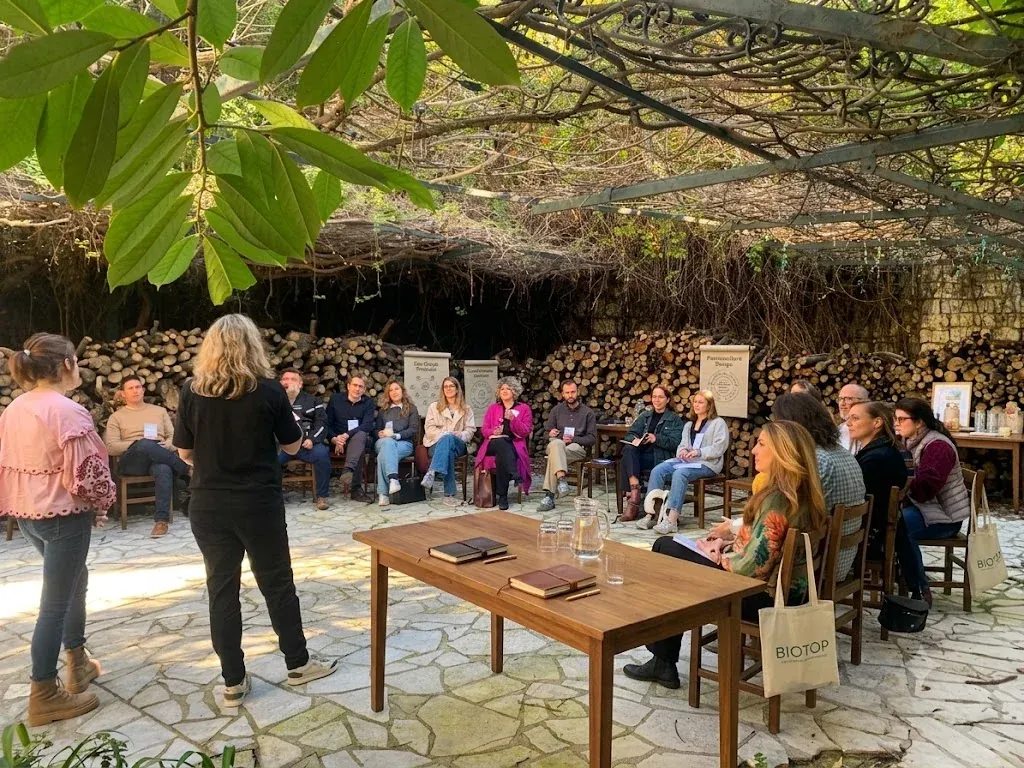
Building a project that stays alive
We do not yet know exactly what all of ZYRCLO's services will be in a few years' time.
And that is probably a good thing.
Because our aim is not to fit the local area into a model imagined in advance.
Our ambition is to build answers with it that will make sense.
If we chose to commit to the functional and cooperative economy, it is precisely because it asks us to keep listening, to keep learning, and to let our project move at the pace of real needs rather than preconceived ideas.
Deep down, we are not only trying to make things differently.
We are trying to be useful.